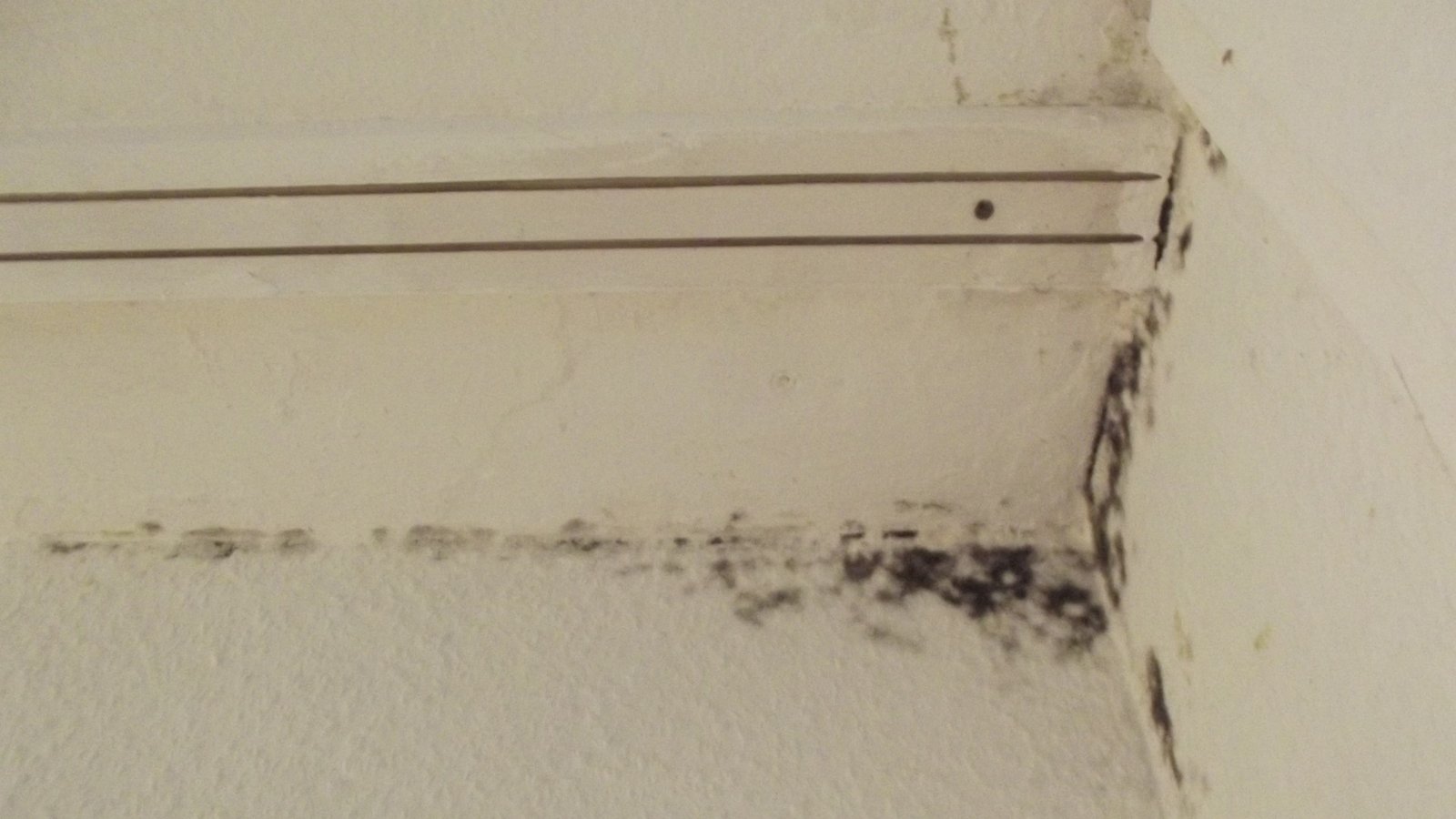
Foolproof old clinic mold removal tips for asthma sufferers start with patience, not bleach, because rushing a damp old room can stir up spores and leave you coughing for hours. I learned this in a small clinic storeroom with peeling paint and a musty smell at the door. My chest tightened before I touched a thing, and that moment changed how I handle old buildings now.
Look First, Touch Later
I walk into any old clinic room and stop at the door for a full minute. I look at the walls, the ceiling corners, the floor edges, and the back of any cupboard I plan to move. Mold loves cold corners, leaky pipes, and places where air sits still for months. I use a torch to check dark spots, and I take photos with my phone so I can compare the patch later. I never scrape a dry patch to see what sits under it, because that puff of dust goes straight into the air. I check for a damp smell, soft plaster, bubbling paint, and dark stains that spread like a map. I open a window if I can do it safely, and I leave the door open so air can move through. I note where water might come from, a roof drip, a cracked pipe, or condensation on a cold wall. If the patch covers more than a small dinner plate, I stop and think about help. If I feel wheezy just standing there, I step out and come back later with better gear. I also check the ceiling for brown rings, because a ring often points to a leak above.
Gather Gear That Protects Your Breathing
I lay out my gear on a clean towel before I start, because hunting for gloves with moldy hands is a bad plan. I wear a well-fitted FFP2 mask, not a thin paper mask that gaps at the cheeks. I check the seal by breathing in sharply and feeling the mask pull close to my face. I wear long sleeves, long trousers, and rubber gloves that reach past my wrists. I wear goggles if I plan to clean above shoulder height, because drips fall fast and sting. I keep my inhaler nearby, within reach, not buried in a bag in another room. I bring a spray bottle, a bucket, mild soap, clean cloths, and strong plastic bags for waste. I avoid strong bleach sprays when I can, because the fumes can trigger my chest as much as the mold. I tell someone in the house what I am doing and when I expect to finish, so help is close if I need it. I also keep a spare mask in my pocket, because a damp mask loses its seal fast.
How Foolproof Old Clinic Mold Removal Tips for Asthma Sufferers Work in Real Rooms
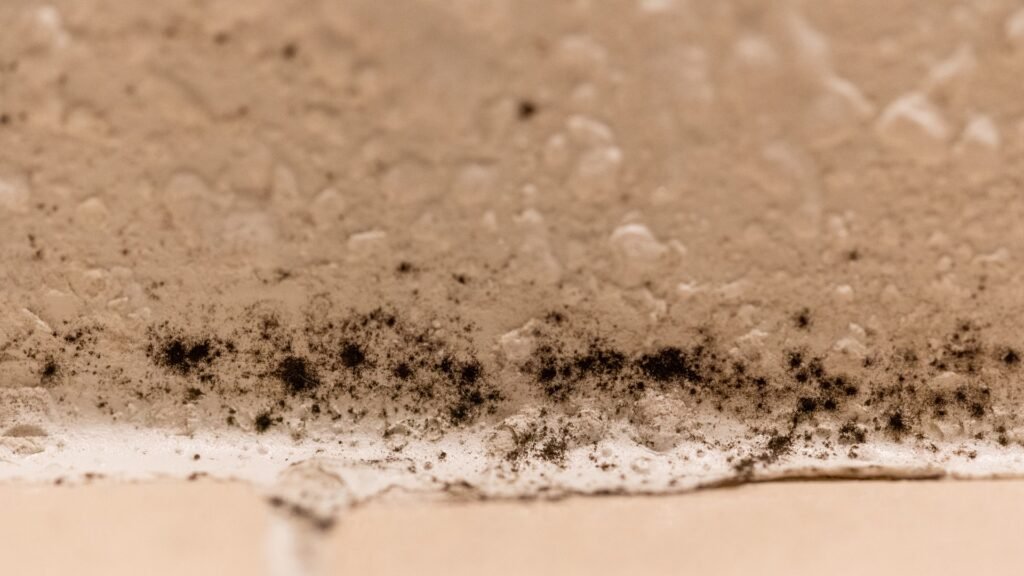
I work in short bursts, not long heroic sessions, and that choice keeps my breathing steadier. I set a timer for twenty minutes, then I step out for fresh air, even if the job feels half done. I clean one small patch at a time, about the size of a book, and I finish it fully before I move on. I spray the surface lightly to damp it down, because a damp surface releases fewer spores into the air. I wipe gently in one direction instead of scrubbing hard in circles. I rinse the cloth often, and I change the water when it turns cloudy. I put used cloths straight into a plastic bag and tie it shut, so spores do not drift around the room. I keep the window open and a fan pointing out if I have one, so air moves away from me. I pause if I start coughing, and I do not push through it to prove a point. Slow work feels boring, but it works, and my lungs thank me later. I also keep a bottle of water nearby, because a dry throat makes coughing worse.
Clean Small Patches With Soap and Water
I start with warm water and a small squirt of mild washing-up liquid, because simple soap lifts surface mold without harsh fumes. I dip a cloth, wring it well, and wipe the patch in slow, even strokes. I rinse the cloth in a separate bucket of clean water, so I do not put mold back onto the wall. I repeat the wipe three or four times, and I watch the stain fade instead of expecting it to vanish in one pass. I use an old soft toothbrush for grout lines and corners, where a cloth cannot reach. I keep the area damp while I work, and I avoid dry brushing at all costs. Foolproof old clinic mold removal tips for asthma sufferers often fail when people scrub too hard, so I let the soap do the work. I dry the patch with a fresh cloth when the stain looks lighter, and I bag the dirty cloths at once. If the stain stays dark after two rounds, I stop and reassess instead of reaching for stronger chemicals. I also label the bucket for mold cleaning only, so I never mix it up with kitchen water.
Dry the Area Like You Mean It
I treat drying as half the job, because mold returns fast to a damp wall. I open windows on opposite sides of the room when the weather allows, and I let a cross breeze run for an hour. I use a portable dehumidifier if I have one, and I empty its tank before it fills and stops. I point a normal fan at the cleaned patch, not at my face, and I leave it running while I take a break outside. I check the wall with the back of my hand, because cool and clammy means it still needs time. I move furniture a few inches away from the wall, so air can reach the surface behind it. I avoid putting a rug or a box against a freshly cleaned patch for at least a day. I check the room again the next morning, and I look for new dark spots or a returning smell. If the wall still feels damp after a day, I look for a hidden leak instead of cleaning the same spot again. I also check the dehumidifier filter each week, because a clogged filter slows drying a lot.
Air the Room Out the Right Way
Fresh air helps a lot, but only if it moves in the right direction. I open the window nearest the cleaned patch first, and I open a door or a second window on the far side so air flows across the room. I avoid pointing a fan straight at a moldy patch before I clean it, because that blast can lift spores into the air I breathe. I point the fan out of a window instead, so it pulls stale air away from me. I run the fan for at least an hour after cleaning, and I leave the door open while it runs. I check the weather before I open up, because rain blowing in will undo my drying work in minutes. I use a window fan on low speed when I have one, and I clean its grille often so dust does not build up. I keep my mask on while the room airs out, because spores can stay floating for a while after wiping. I step outside for a break while the fan runs, and I return only when the air smells fresher. I close the windows at night if the air turns damp, and I run a dehumidifier instead. Good airflow makes the next clean easier, and it makes the room feel safer to spend time in. I also note which windows give the best breeze, so I open those first next time.
Fix the Leak or the Damp Will Return
I learned that cleaning without fixing the source is just a loop, and the loop always wins. I trace the damp patch upward and outward, because water travels farther than most people expect. I check the roof, the gutters, and the pipes above the room, and I look for drips after rain. I tighten a loose pipe joint with a wrench when I can, and I put a bucket under a drip until a plumber can visit. I clear blocked gutters with gloves on, because leaves and sludge hold water against the wall. I check window seals for gaps, and I press a finger along the frame to feel for cold drafts. I use a simple moisture meter from a hardware shop when I want a clear reading, and a high reading tells me to keep looking. Foolproof old clinic mold removal tips for asthma sufferers work best when the room stays dry after cleaning. I write down what I fixed and when, so I can spot a pattern if the damp returns in the same place. I also ask a neighbour about past leaks, because old buildings often share the same weak spots.

Check the Spots Most People Miss
Mold hides in places I never thought to look until I found it there twice. I pull a heavy cupboard a few inches from the wall and shine my torch behind it, because that dark gap stays cold and still. I lift the edge of a rug and check the floor beneath, especially near an outside wall. I open the cupboard under a sink and look at the back panel, where slow drips leave dark stains. I check the seal around a bath or a shower, because cracked sealant lets water sit behind tiles. I look inside a wardrobe that backs onto a cold wall, and I sniff clothes for a musty smell. I check the top of a window frame, where condensation drips down and pools unnoticed. I look behind a radiator, because heat and damp together create a perfect hiding place. I check the loft hatch and the cellar steps, where air rarely moves. I take a photo of any spot I find, so I can check it again next week and see if it grows. Finding these spots early keeps a small job small. I also check the same spots after heavy rain, because rain shows leaks that dry days hide.
Know When to Call a Professional
I call a professional when the mold covers a large area, hides behind walls, or keeps coming back after two careful cleans. I also call for help if the building has a history of flooding, roof damage, or sewage leaks, because those jobs need proper containment. I ask the professional about their experience with asthma-safe methods, and I ask what chemicals they plan to use before they start. I share my asthma action plan with them, and I stay out of the room while they work. I ask for photos of the work and a written note about what they found, so I have a record for later. I do not feel embarrassed about calling for help, because some jobs are simply too big for one person with sensitive lungs. I check reviews, ask for a clear price before work starts, and confirm they will dispose of waste safely. If my breathing feels worse after any cleaning, I speak to my doctor promptly and describe what I touched and how long I worked. I also keep the professional’s number saved in my phone, so I do not waste time searching later.
Keep a Simple Weekly Check Routine
I keep a short weekly check, because five minutes now beats a full clean later. I walk the old clinic rooms every Sunday, torch in hand, and I look at the usual damp corners first. I sniff for that musty smell, and I touch walls that have caused trouble before. I check under sinks, behind doors, and around window frames, where condensation collects overnight. I empty the dehumidifier, clean its filter, and note the water level in a small notebook. I wash any cloths I used, and I replace a worn mask before the next job. I open windows for a short blast of fresh air, even in winter, because stale air helps mold settle. I move a chair or a box if it blocks airflow, and I keep storage a little away from cold outside walls. Foolproof old clinic mold removal tips for asthma sufferers only help if I repeat them, so I keep the routine simple enough to stick to. I tick off each check, and I feel calmer knowing the rooms are under control. I also note the date of each check, so I can see how fast a damp spot changes.
FAQs
Can I clean mold myself if I have asthma?
Yes, you can clean a small patch yourself if you work slowly, wear a well-fitted mask, keep the surface damp, and take fresh air breaks every twenty minutes. Stop at once if you wheeze, cough a lot, or feel tight in your chest. Keep your inhaler close, and ask your doctor first if your asthma is poorly controlled.
What cleaner is safest for asthma sufferers?
Warm water with mild soap is the safest starting point, because it lifts surface mold without strong fumes. Avoid bleach sprays and strong chemical mixes, which can irritate your airways. Test any product on a tiny area first, keep the room ventilated, and wear gloves and a mask while you work.
How much mold is too much to handle alone?
A patch larger than a dinner plate, mold hidden behind plaster, or mold that returns after two careful cleans is too much to handle alone. Call a professional if the building flooded, has sewage damage, or smells strongly of damp through several rooms. Your lungs matter more than saving money on a big job.
How do mold removal tips for asthma sufferers differ from normal cleaning?
These tips put breathing first, so you work in short bursts, keep surfaces damp to limit spores, use mild cleaners, and stop early if symptoms start. Normal cleaning often focuses on speed and strong chemicals. Asthma-safe cleaning focuses on airflow, gentle wiping, drying, and fixing the damp source.
What should I do if my breathing feels worse after cleaning?
Step outside for fresh air at once, sit down, and use your reliever inhaler as your action plan directs. Tell someone nearby what happened, and do not go back into the room that day. Speak to your doctor promptly, describe the mold, the cleaner, and how long you worked.
Conclusion
I clean mold slowly, I protect my breathing first, and I fix the damp that caused it. That simple order has kept old clinic rooms cleaner and my chest calmer than any quick scrub ever did. What small check will you start with this week?