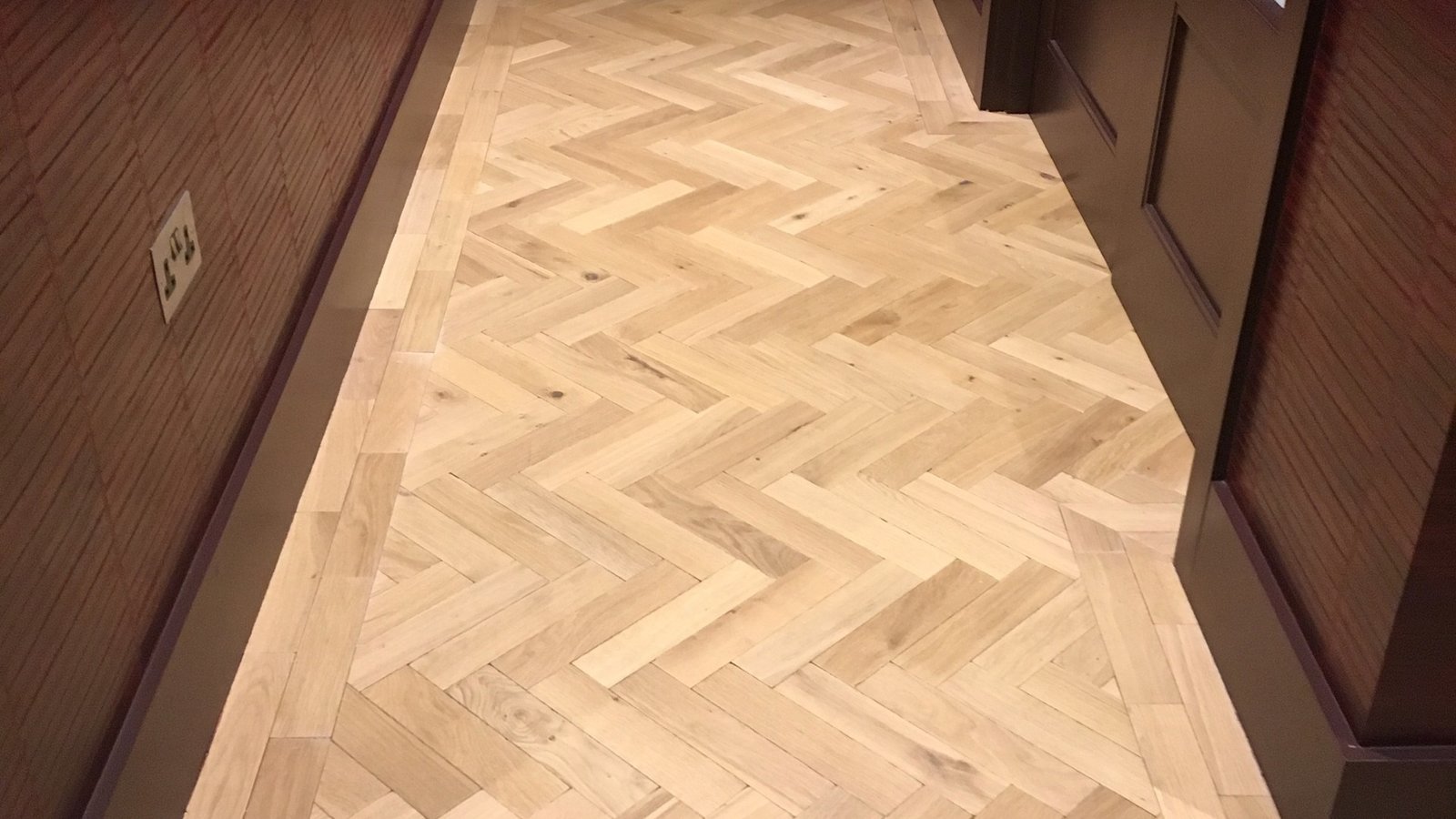
I spent three months limping around my own waiting room before I finally admitted the floor was part of the problem, and that search led me to top rated old clinic flooring ideas for bad backs that patients actually notice. My back hurt less on some surfaces, my knees complained on others, and the difference was too clear to ignore. Some floors helped, some made everything worse for my back.
Why these top rated old clinic flooring ideas for bad backs actually help
Old clinic buildings usually have hard subfloors, cold rooms, and uneven patches where a century of use shows. That mix punishes backs because every step sends a small jolt up through your heels, knees, and spine. Softer, springier floors absorb some of that shock, while a grippy surface stops the tiny slips that make muscles tense up. Warmth matters too. Cold floors make people stiffen without thinking about it. The options below balance give, grip, warmth, and cleaning, because a clinic floor still has to handle spills, wheels, and heavy foot traffic every single day in every room without fail.
1. Cork Flooring
Cork feels like a small kindness under your feet, and I mean that literally. It comes from bark, it has a natural spring, and it gives just enough when you walk so your joints do less of the work. In a waiting room or a treatment room, that softness adds up over a long day of standing, shifting, and walking between chairs. It also stays warmer than tile or stone, which helps stiff backs relax instead of bracing. Cork suits older patients, staff on their feet all day, and anyone who hates that cold, hard feeling first thing in the morning. Among top rated old clinic flooring ideas for bad backs, cork often wins on comfort alone. The trade-off is care. It can dent under heavy furniture, it hates standing water, and it needs sealing and resealing to stay in good shape, and it also muffles footsteps nicely.
2. Luxury Vinyl Plank
Luxury vinyl plank, usually called LVP, looks like wood but behaves like a practical clinic floor. Brands like Karndean and Amtico make planks with a slight give, a textured top, and a warm feel that surprises most people the first time they walk on it. It works well in reception areas, corridors, and consult rooms because it handles spills, chair wheels, and constant cleaning without much fuss. It suits clinics that want a smart, homely look without the cold shock of tile or the upkeep of real wood. The surface gives a little grip too, so you are less likely to shuffle or tense up on a slick patch. Wide planks also make small rooms feel bigger and less cramped. The honest downside is the subfloor. If the base is uneven, you will feel every bump through the planks, and cheap thin versions can feel hard and hollow underfoot.
3. Engineered Hardwood
Engineered hardwood, a regular in top rated old clinic flooring ideas for bad backs, gives you real wood on top with a stable layered base underneath, which helps it cope better than solid wood in an old building that moves with the seasons and changes temperature. It feels warmer and slightly softer than tile or stone, and it has a natural texture that stops feet from sliding around. I like it in private consult rooms and smaller waiting areas where the look matters and traffic is steady rather than chaotic. It suits clinics that want a calm, professional feel without a cold, clinical vibe. The catch is maintenance and cost. It scratches under dragged furniture, it does not love water, and a good install with proper underlay costs more than vinyl or laminate. You also need to keep grit off it, or the finish wears fast.
4. Rubber Flooring
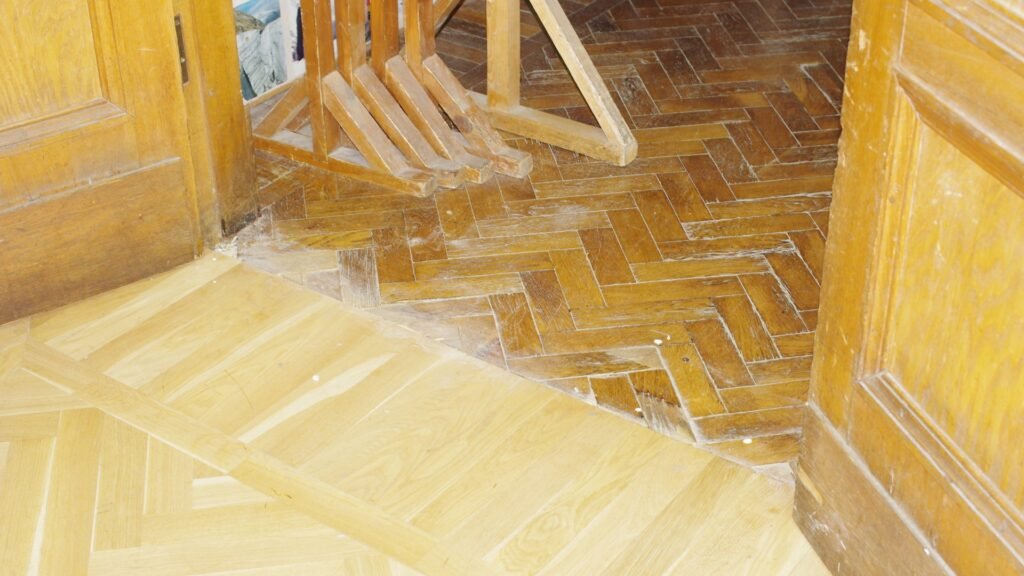
Rubber flooring is the one I reach for when comfort and safety matter more than looks. It absorbs impact, it grips well even when damp, and it stays quiet underfoot, which patients notice more than you might expect. You see it in physio rooms, gyms, and rehab areas for a reason. It suits treatment spaces, exercise corners, and corridors where people walk slowly, use sticks, or lean on furniture for support. It also forgives dropped equipment and heavy trolleys. Staff who stand for hours often notice less fatigue by the end of a shift on rubber floors. The trade-off is the look and the smell at first. Plain rubber can feel a bit gym-like in a reception area, some types hold a faint rubbery scent for a while, and light colours show scuffs and dirt quickly. Choose a good quality tile or sheet and it lasts for years.
5. Linoleum
Linoleum is not the plasticky stuff from old kitchens. Modern linoleum, like Forbo Marmoleum, is made from linseed oil, wood flour, and natural pigments, and it has a soft, slightly springy feel that is kinder to backs than tile. It comes in sheets and tiles, it cleans easily, and it handles clinic traffic well when it is sealed properly. It suits large rooms, corridors, and treatment areas where you need a smooth, hygienic surface without the hard, cold shock of stone. It also comes in warm colours that make an old clinic feel less stark and more welcoming. It also resists bacteria naturally, which helps in rooms where hygiene matters every single day. The downside is water and dents. It needs sealing, it can mark under heavy point loads, and a bad install shows seams and bubbles. Keep it dry at the edges and it performs well.
6. Bamboo Flooring
Bamboo looks like wood, but it grows fast and it feels a touch softer underfoot than many hardwoods. Strand-woven bamboo is the tougher type, and it handles daily clinic traffic better than the softer horizontal or vertical styles. I like it in consult rooms and quiet waiting areas where you want warmth and a natural look without going for full hardwood prices. It suits clinics that care about sustainability and want a floor that feels less cold and less clinical than tile. It also takes a finish well, so you can pick a matt, grippy surface instead of a shiny one. It also pairs well with rugs in waiting areas, where extra cushioning helps. The trade-off is moisture and hardness. Cheap bamboo dents easily, it does not like wet mopping or spills left sitting, and very hard strand-woven types can feel less forgiving than cork or rubber.
7. Carpet Tiles
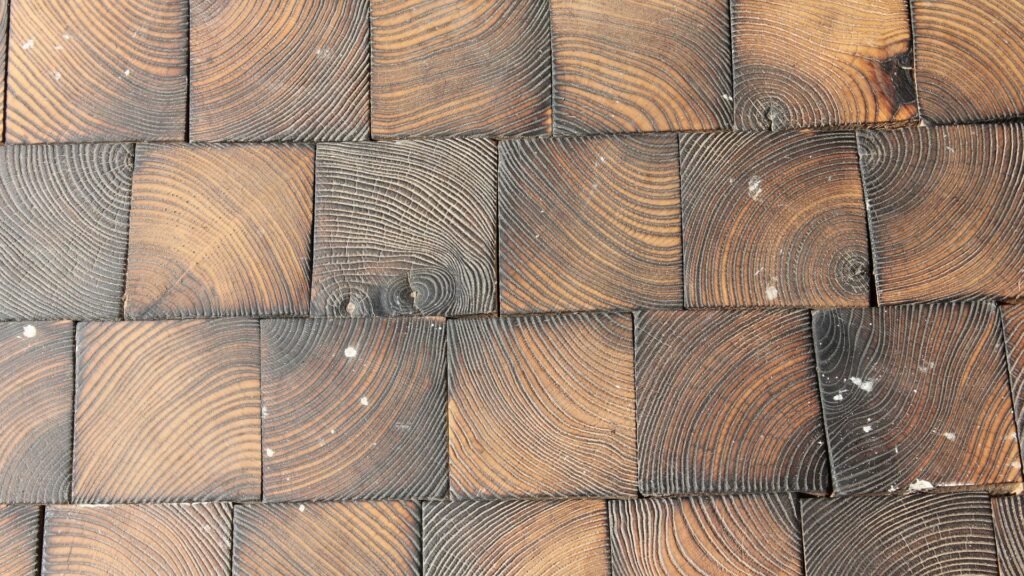
Carpet tiles are the practical cousin of wall-to-wall carpet, and they make a lot of sense in a clinic. Each square gives a soft, warm landing for every step, which takes pressure off backs, knees, and tired feet. If one tile stains or wears out, you lift it and swap it, so you never face a full refit because of one coffee spill. They suit waiting rooms, offices, and corridors where noise matters, because they soak up sound as well as impact. Brands like Interface and Milliken make low-pile tiles that work with wheelchairs and walking frames. They also feel warm the moment you step inside, which matters on cold mornings. The honest downside is cleaning. They trap dust and allergens if you skip vacuuming, they are not ideal for wet treatment rooms, and cheap tiles can curl at the edges or show traffic lanes over time.
8. Laminate With a Thick Underlay
Laminate gets a bad name, but with a proper thick underlay it can feel far kinder than bare tile or concrete. The planks click together, they look like wood or stone, and they cost less than most real wood options. A good foam or cork underlay adds cushioning, cuts noise, and takes the edge off that hard, hollow feeling you get from cheap installs. It suits budget refits, offices, and waiting rooms where you need a quick, tidy change without ripping out the whole subfloor. It also cleans fast, which matters in a busy clinic. It also installs quickly, so a room can reopen the next day. The trade-off is water and feel. Laminate swells if water gets into the joints, it can feel slippery when polished, and even with underlay it never matches cork or rubber for softness. Keep it in dry areas and mop it lightly.
9. Sheet Vinyl
Sheet vinyl, a staple in top rated old clinic flooring ideas for bad backs, is the quiet workhorse of clinic flooring, and it deserves more credit than it gets. It comes in one big sheet, so there are almost no joints for dirt or water to hide in, and it feels warmer and softer than tile underfoot. Modern designs from brands like Tarkett and Polyflor look like wood, stone, or plain warm colours, not the shiny hospital floors you might remember. It suits treatment rooms, bathrooms, and corridors where hygiene matters and spills happen daily. It also works well over slightly uneven old subfloors when a levelling layer goes down first. It feels kind underfoot. The downside is dents and tears. Heavy furniture can leave marks, sharp objects can cut it, and a poor install can bubble or lift at the edges. Once damaged, a patch rarely looks invisible.

10. Low-Pile Wool Carpet
Low-pile wool carpet is soft, warm, and surprisingly practical when you pick the right type. Wool fibres spring back after pressure, they hold warmth, and they give every step a cushioned landing that hard floors simply cannot match. I like it in waiting rooms and counselling rooms where people sit for a while and the space should feel calm, not clinical. It suits older patients and anyone with a sore back who dreads that first cold step onto tile in the morning. It also cuts echo, which helps a busy room feel less stressful. It also absorbs sound well, so conversations stay private and rooms feel peaceful. The trade-off is upkeep and cost. Wool costs more than synthetic carpet, it needs regular vacuuming, and it is a poor choice for wet areas or rooms where spills are common. Stains need quick attention or they settle in.
11. Hybrid SPC Flooring
Hybrid SPC flooring, short for stone plastic composite, is a rigid vinyl plank with a stone core that stays stable in an old building with temperature swings. It clicks together, it resists water, and it feels more solid than thin vinyl without feeling as cold as tile. I like it in reception areas and corridors where you need a tough, waterproof floor that still has a bit of warmth and texture. It suits clinics that want a wood look, easy cleaning, and a floor that will not warp when the heating goes on and off. Some ranges add a built-in underlay for extra cushioning, which helps backs on long days in busy clinics. The downside is hardness and sound. It can feel firm underfoot, it can sound clicky without a good underlay, and cheap versions look plastic up close. Pick a thicker plank with a matt finish.
FAQs
What flooring ideas work best for bad backs in an old clinic?
Softer, springier floors usually really help most, so cork, rubber, carpet tiles, and good quality vinyl with underlay sit at the top of my list. They absorb shock, add grip, and stay warmer than tile or stone. The best choice also depends on the room, because a wet treatment room needs a very different floor from a quiet waiting area.
Is cork flooring safe for a busy clinic?
Yes, cork is safe when it is sealed properly and installed well. It grips nicely, it feels warm, and it cushions each step. Keep heavy furniture on pads, wipe spills quickly, and reseal it regularly on schedule. Avoid it in wet rooms or right beside sinks, where standing water can damage the surface over time and cause swelling underneath.
How do I stop a hard floor from hurting my back?
Add cushioning where you can, because even a small change helps. Use a thick underlay under laminate or vinyl, add rugs in waiting areas, and wear shoes with proper support. Keep floors dry and grippy, and avoid shiny, slippery finishes that make you tense up with every step. Take sitting breaks often too, because standing still gets tiring fast.
Which clinic flooring is easiest to clean?
Sheet vinyl and luxury vinyl plank are usually easiest, because spills wipe up fast with a damp mop and there are few joints for dirt to hide in. Linoleum also cleans well when sealed. Carpet tiles take more vacuuming, and wool carpet needs quick stain care, so pick hard floors for treatment rooms and softer floors for waiting areas first.
Can I put new flooring over an old clinic floor?
Often yes, but only if the old floor is sound, level, and dry. Vinyl, laminate, and SPC can float over many existing floors with the right underlay. Cork and linoleum need a smoother base. IMO, get the subfloor checked properly first, because a really wavy base will show through almost any new floor and undo the comfort you paid for.
Conclusion
Pick the floor that fits the room and the people who use it, not just the one that looks nicest in a sample book. Soft, warm, and grippy beats hard, cold, and shiny for sore backs every time after a long day, for staff and patients alike. Start with one room, walk on it for a week, and let your back tell you if you chose well before you commit to the whole building.