
Quick old clinic cleaning checklist for night shift workers saved my sanity on my third week, when I walked into a waiting room that looked like a bus station and nobody had touched it since lunch. Night work is different. You clean around sleeping patients, staff, and phones that keep ringing. You need a plan that is short, clear, and doable without a second pair of hands.
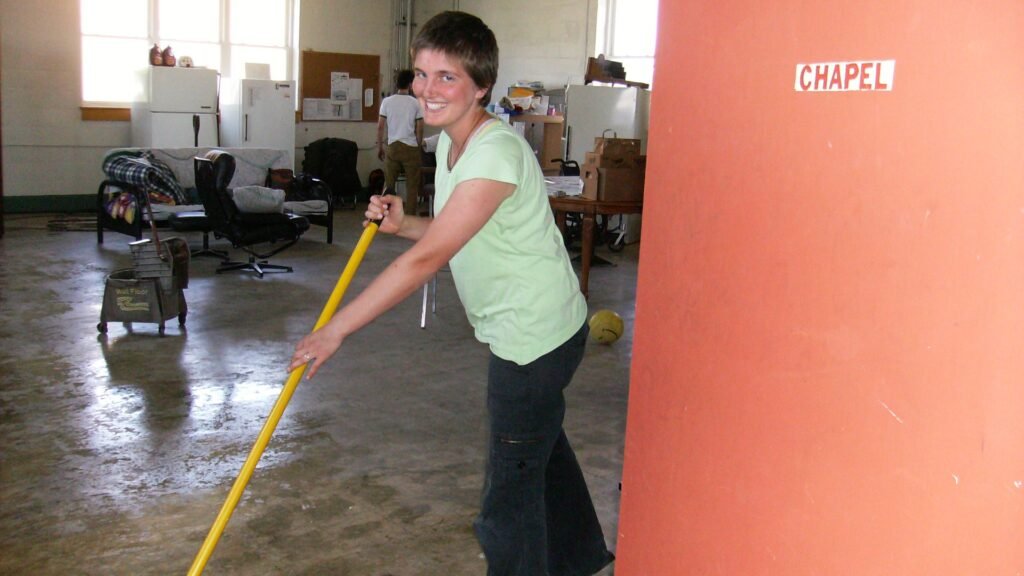
The Quick Old Clinic Cleaning Checklist for Night Shift Workers in Action
Start with a five minute lap before you touch a mop. Walk the whole clinic, note the worst spots, and decide the order based on what people will use first. Old clinics hide mess in corners, behind doors, and under chairs that never move. A quick lap stops you cleaning a quiet room twice while a busy restroom waits. Grab your caddy, gloves, cloths, spray, bags, and a phone timer. Set the timer for each area so one fiddly sink does not eat twenty minutes. Work top to bottom and from the cleanest area toward the dirtiest one. That order sounds fussy, but it keeps germs from travelling on your cloths and hands. Keep a small notebook in your pocket for broken taps, empty dispensers, and stains that need day shift help. Write it down at once, because tired brains forget fast at 3 a.m. Lap first is the habit that makes the rest of this list feel calm instead of chaotic.
Restrooms That Get Used All Night
Restrooms set the tone for the whole clinic, so tackle them early while you still have energy. Put on fresh gloves, check the locks, and clear bins before you spray anything. Wipe taps, flush buttons, door handles, and light switches first, then clean sinks and counters. Toilets come last in this area, and that order matters more than most people think. Use a separate cloth for toilets and keep it in its own labelled bag, away from the cloths you use on sinks. Mop the floor after the fixtures, and leave the floor slightly damp rather than soaked, because wet tiles at night are an accident waiting to happen. Check toilet paper, soap, and paper towels, then refill what is low instead of leaving a half empty roll for the next person. Look behind the door and under the sink for paper, dust, and stray supplies. One common mistake is spraying air freshener over a dirty bin and calling the job done. Empty the bin, wipe it, and the smell usually sorts itself out.
Waiting Areas and Chairs People Actually Touch
Waiting rooms collect crumbs, cups, tissues, and dust in places nobody looks. Start by binning rubbish and straightening magazines, leaflets, and toys if the clinic keeps them out. Wipe chair arms, seat edges, and the tops of side tables, because those are the spots hands land on again and again. Vacuum or sweep under chairs, and pull out two chairs a night on rotation so the dust underneath does not build up for months. Old fabric chairs need a quick lint roll or a damp cloth pass, while plastic chairs can take a spray and wipe. Check the reception desk edge, pens, clipboards, and the card machine, but leave papers and patient files exactly where staff left them. Dust the skirting boards and window sills if they look grey, and wipe any sticky marks on the walls near the door. Wipe the arms of the chair nearest the door twice, because that seat gets chosen first and touched most. Do not spend ages polishing a window nobody will notice. A tidy, fresh smelling waiting room tells patients the clinic cares, even when the building itself is old and a bit creaky.
Exam Rooms Between Patients
Exam rooms need speed and care in equal measure, so keep your steps the same every time. Clear the couch, bin used paper, and lay fresh paper or a clean sheet before you touch anything else. Wipe the couch rails, trolley tops, light switches, door handles, and any equipment handles that staff use between patients. Use the clinic approved disinfectant spray and give it the contact time on the label, instead of spraying and wiping it straight off. That waiting time is real, and rushing it wastes the product. Check the sink, refill soap and towels, and empty the small bin. Look in drawers only if they are open and messy, and never move medical supplies or notes. If a stain or spill looks unusual, leave it and tell the nurse in charge rather than guessing at a stronger cleaner. One tip that helps is to keep a separate small caddy for exam rooms, so you are not dragging restroom cloths into a patient area. Finish by checking the light works and the door closes properly.
Floors Without Waking the Whole Building
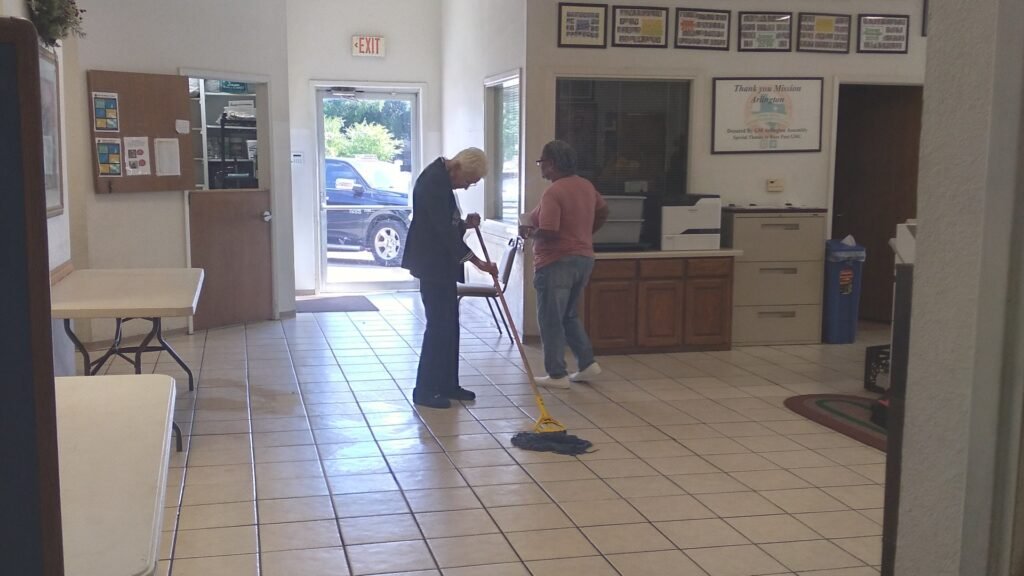
Old clinic floors creak, echo, and show every mark, so night cleaning calls for a lighter touch. Sweep or vacuum first, because mopping over dust just moves dirt into corners. Use a damp mop rather than a soaking one, and work in straight lines toward the door so you do not trap yourself in a wet patch. Vacuum cleaners can be loud at night, so use a low setting near rooms where people are resting and save the noisy pass for empty corridors. Watch for loose tiles, raised carpet edges, and wet spots near sinks, and report them instead of mopping over them. Stairs need a slow pass with a hand brush if the vacuum is too loud, and handrails need a wipe even when the steps look clean. Keep the mop bucket water fresh, and change it when it turns grey. Dirty water leaves a film that looks worse in morning light. If a corridor smells damp, check the mop bucket first, because stale water is usually the cause. Leave a small wet floor sign out until the floor dries, and pick it up before you leave so day shift does not trip over it.
Touch Points Everyone Forgets
Touch points are the small surfaces that carry the most traffic, and they are easy to miss when you are tired. Make a mental loop of door handles, light switches, lift buttons, handrails, taps, phones, keyboards, and shared pens. Wipe them with a clean cloth and disinfectant spray, and use a fresh section of cloth as you move from room to room. Kettle handles, fridge handles, and microwave buttons in the staff area count too, and they often look clean while feeling sticky. Do not forget the outside of the soap dispenser and the paper towel holder, because everyone touches those with damp hands. Check the main entrance door, the reception bell, and the sign in pen, since those are the first things visitors touch. Keep this pass short and steady. You are not deep cleaning each item, you are cutting down the germs on the spots that get handled most. A five minute touch point round at the middle of your shift can make the whole clinic feel fresher without adding a long job to your list.
Waste, Sharps, and Laundry Without the Drama
Waste handling sounds dull until a bin overflows at 4 a.m., so build it into your round. Tie bags when they are three quarters full, never overfill them, and double bag anything that leaks. Wash your hands after handling waste, and change gloves if they tear. Leave sharps boxes alone unless your clinic has trained you to move them, and never push waste down with your hands or feet. If a sharps box looks full, report it to the nurse in charge and let trained staff deal with it. Sort laundry into the right bags, check pockets for pens and tissues, and do not carry soiled linen against your uniform. Wipe the outside of bins and replace liners so the next person starts clean. Keep waste bags away from clean linen and food areas, even when you are in a rush. A calm routine here protects you and the staff who follow you. The common mistake is leaving one heavy bag by a door for someone else to trip over, so take it to the proper store and close the door behind you.
Restocking So Day Shift Stops Complaining
Restocking is the quiet job that earns you goodwill, because nobody thanks you for it but everyone notices when it is missing. That is why this quick old clinic cleaning checklist for night shift workers puts restocking near the end, when you can see what each room actually used. Walk each room with your caddy and check soap, paper towels, toilet paper, gloves, tissues, couch paper, and bin liners. Refill from the store in small amounts, and put the spare stock where staff can find it without hunting. Check the cleaning store itself, because running out of spray at midnight is a pain you can avoid with a two minute check. Note low stock in your notebook and tell the person who orders supplies, rather than hoping someone else spots it. Do not hoard supplies in one room while another room runs dry. Keep a spare roll of toilet paper in each restroom cupboard, and a spare liner tucked inside each bin. That small habit saves a midnight hunt. Finish by wiping the store shelf edges and closing cupboard doors, so the room looks tidy for the morning team.
Break Room and Staff Kitchen Reset
The break room is where tired staff recharge, so a quick reset goes a long way. Clear cups, plates, and food wrappers first, then wipe tables, counters, and the sink. Empty the kettle if it has old water, wipe the outside, and check the microwave for spills. Wipe fridge handles and the front of the fridge, but do not throw food away unless it is clearly labelled as waste or past its date. Sweep or mop the floor, empty the bin, and replace the liner. Check tea, coffee, milk, sugar, and cups, and refill what is easy to reach. Wipe light switches and door handles, and straighten chairs so the room feels calm when someone walks in for a break. Check the bin lid and the tap handles too, because both get touched with wet hands all night. Do not use strong smelling sprays near food, and keep cleaning cloths away from plates and cutlery. One mistake is leaving a damp cloth on a clean counter, so hang it up or put it in the laundry bag. A clean break room tells night staff they matter, and it costs you about ten minutes.
Final Walk-Through and Handover Notes
Your last lap is the difference between a job that looks done and a job that is done. Walk every area again with fresh eyes, check bins, floors, sinks, and door handles, and fix the small things you missed. Pick up the wet floor sign, put cloths in the laundry bag, and rinse the mop so it does not smell by morning. Return the caddy to its store, lock cupboards, and check that cleaning products are out of reach of children. Write clear handover notes, with the time, the rooms you cleaned, and anything that needs follow up. Keep notes short and specific, such as the tap in restroom two drips, or the vacuum bag needs changing. Tell the nurse in charge about anything urgent in person, instead of leaving it buried in a note. Take a photo of a leak or a broken fixture if your clinic allows it, because a picture explains the problem faster than words. Sign off, wash your hands, and leave the clinic tidy for the people who walk in after you.
FAQs
How long should this checklist take on a normal night?
It usually takes about two to three hours for a small to medium old clinic, depending on rooms and how busy the day was. Start with the busiest areas and use a phone timer so one room does not eat your whole shift. If you are short staffed, do the restrooms, touch points, and bins first.
Can I use the quick old clinic cleaning checklist for night shift workers in a small GP practice?
Yes, it works well in a small GP practice, a dental clinic, or a walk in centre. Adjust the room order to fit your layout, and skip any area that your clinic does not have. Keep the same habits of working top to bottom, using fresh cloths, and leaving clear notes for the morning team.
What should I do if a patient is sleeping near the room I need to clean?
Work quietly, use a damp cloth instead of a spray where you can, and skip noisy jobs such as vacuuming until the patient moves or wakes. Clean the corridor and touch points nearby, then return later if you can. Tell the nurse in charge if a room stays closed for the whole shift.
Which cleaning products should I keep in my night caddy?
Keep a clinic approved disinfectant spray, a general cleaner, microfibre cloths, gloves, bin liners, paper towels, and a small brush. Add a spare cloth bag for dirty cloths and a notebook for handover notes. Use only products your clinic approves, and check labels before you mix anything.
How do I keep the checklist quick without cutting corners?
Do the same steps in the same order each night, so your hands learn the route. Keep supplies close, refill the caddy at the start, and clean small messes as you spot them. A steady pace beats a fast start followed by a slow finish, and a timer helps you stay honest.
Conclusion
This quick old clinic cleaning checklist for night shift workers is not about perfection, it is about steady habits, clear notes, and a clinic that feels safe when morning comes. Keep your caddy ready, work the list in order, and leave each room a little better than you found it. That is the whole job, done well.