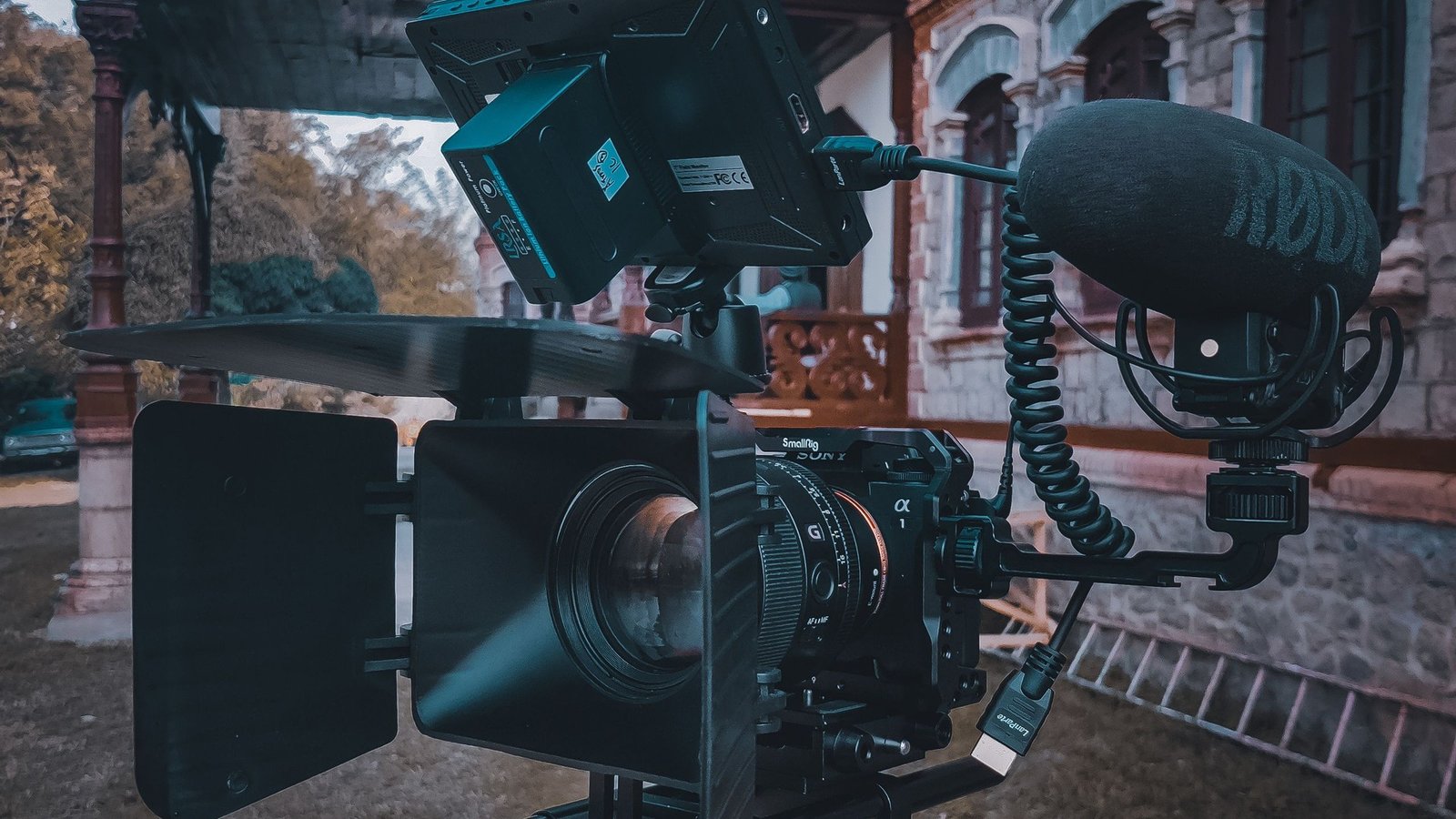
The best old clinic documentary project ideas for freelance photographers start with details most people walk straight past, like a chipped mug on a nurse’s desk or a waiting room chair worn smooth by decades of worried hands. My first week in an old clinic, I tried to photograph everything at once, and my pictures looked busy and empty. Slowing down changed everything, and it will change your work too.
Best Old Clinic Documentary Project Ideas for Freelance Photographers Worth Trying First
Old clinics reward photographers who show up more than once, listen first, and let a story grow over weeks instead of forcing it in one afternoon. Ask staff what rooms matter to them, and note names and dates while they are fresh. Bring a simple kit, a 35mm or 50mm lens, a notebook, and plenty of patience. The best old clinic documentary project ideas for freelance photographers grow from trust, not gear, and trust takes repeated visits, honest questions, and prints shared back with the people who helped you.
1. The Last Ward Round
Follow one doctor or nurse on a final round before a ward closes, moves, or gets a fresh coat of paint. Use a quiet shutter, and watch how they pause at each bed, check a chart, and touch a shoulder. A Canon R6 Mark II with a 35mm lens works well here because it stays fast in dim corridors without a flash. Photograph hands, clipboards, and door numbers as well as faces. Ask for five minutes after the round for a portrait by a window. Those quiet frames often say more than any wide shot of the whole ward.
2. Portraits of Retired Nurses and Doctors
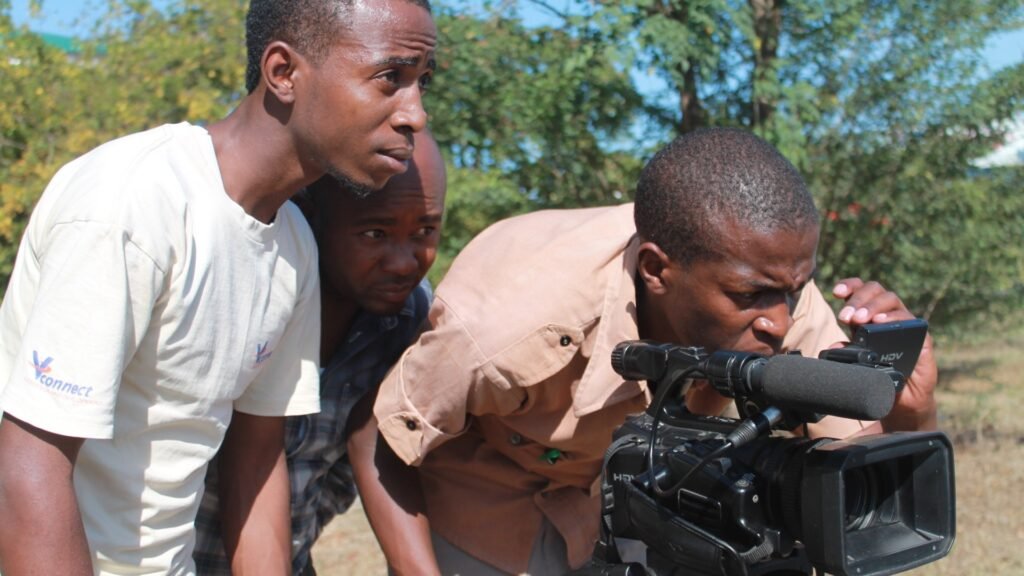
Track down retired staff through the clinic, a local history group, or a staff noticeboard. Photograph them where they feel comfortable, at home, in a garden, or back in their old corridor if access allows. Ask each person to bring one object from their working life, a badge, a stethoscope, or a battered appointment book. Use soft window light and a Fujifilm X100VI or a simple 50mm lens. Record a short quote in your notebook. Pairing a warm portrait with one honest line gives the series a spine and keeps it from feeling like a random set of headshots.
3. A Day in the Life of a Caretaker
Caretakers know every squeaky door, leaking tap, and locked cupboard in an old clinic, and they rarely get photographed. Arrive before the doors open and stay until the last light goes off. Photograph the morning routine, keys, mops, ladders, fuse boxes, and the kettle that keeps everyone going. A Sony A7 IV with a 24-70mm lens handles the mix of dark basements and bright entrances without fuss. Talk while you work, but keep shooting through the quiet moments. The caretaker’s steady, unglamorous routine tells the story of how a building keeps serving people long after the headlines move on.
4. The Abandoned Wing
An empty wing can feel spooky, but the stronger story is what was left behind and why. Photograph peeling paint, stacked chairs, a calendar frozen on one month, and light falling through a cracked window. Use a tripod for slow, careful frames and keep your composition simple, one strong subject per shot. Check safety first, watch for weak floors, dust, and mould, and never go alone. Ask staff what each room was used for and add those facts to your captions. Context turns a moody ruin into a record of a place that once mattered to a whole neighbourhood.
5. Medical Tools Through the Decades
Lay out old instruments, glass bottles, metal trays, and paper charts on a plain table and photograph them like museum pieces. Side light brings out scratches, rust, and engraved makers’ marks that flat overhead light kills. Use a macro lens or a close focusing 50mm and shoot at f/4 or f/5.6 so the labels stay readable. Ask a nurse to explain what each tool did, because a strange metal object becomes a story once you know it saved time, eased pain, or scared a child. This series works well for prints, exhibitions, and local history displays.
6. Waiting Room Stories
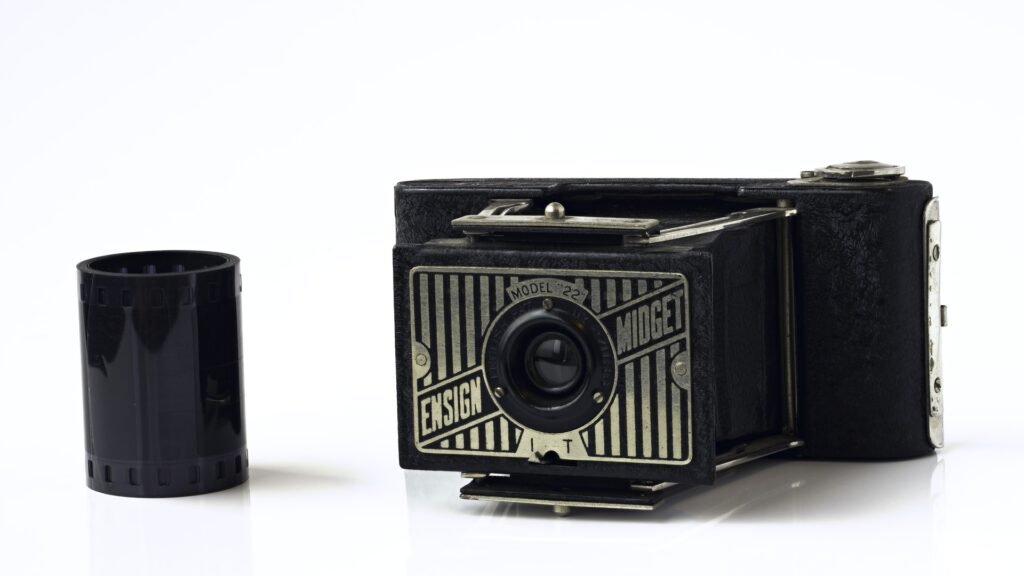
Waiting rooms hold a strange mix of boredom, hope, and fear, and you can photograph that without pointing a camera at anyone’s face. Focus on hands holding appointment letters, coats draped over chairs, children’s drawings, and the clock everyone keeps checking. Sit in one corner for an hour and let people forget you are there. Use a quiet camera and a 35mm lens so you can work close without crowding anyone. Always ask permission before photographing a recognisable person, and offer to show them the picture. Respect earns you better access than any long lens ever will.
7. The Clinic Garden
Many old clinics have a small garden, a courtyard, or a few stubborn plants by the back door, and patients remember those green corners. Photograph volunteers weeding, a bench in morning light, herbs in tin cans, and hands in soil. Early morning gives you soft light and fewer people, while late afternoon adds long shadows across paths. A Lightroom preset with gentle greens and warm highlights suits this series, but keep the edit honest and light. Talk to the gardeners about who planted what and why. Their answers often link the garden to recovery, grief, and small daily hope.
8. Restoration in Progress
If builders, painters, or volunteers are repairing an old clinic, that messy middle stage makes a strong documentary series. Photograph dust sheets, scaffolding, paint samples taped to walls, and the moment an old sign is uncovered. Return on the same day each week so your frames line up and the change feels clear. A wide 24mm lens shows the scale of the work, while a 50mm picks out details like a restored tile. The best old clinic documentary project ideas for freelance photographers come from this kind of return visit, because change only shows when you keep coming back.
9. The Night Shift
Night changes an old clinic completely, with humming lights, empty corridors, and staff running on tea and dry humour. Ask to shadow one night shift, agree clear rules about patient privacy, and stick to them. Photograph the kettle at 2 a.m., a nurse checking notes under a desk lamp, and the quiet corridor between emergencies. Use a fast prime lens, raise your ISO rather than using flash, and keep your camera silent. Edit the series slightly cool and calm to match the mood. Night work tests your stamina, but it also gives you frames no daytime visitor will ever get.
10. Hands That Healed
Build a whole series from close-ups of hands, the hands that dressed wounds, held thermometers, and steadied frightened patients. Photograph wrinkles, scars, wedding rings, ink stains, and nails worn short from years of washing. Use a macro lens or a sharp 85mm at close range and a plain background so nothing distracts from the skin and the story. Ask each person what their hands remember most, then write that line beside the portrait. This project needs almost no location access, it travels well as a print show, and it respects people who prefer not to show their faces.
11. The Pharmacy Shelf
Old pharmacy shelves hold brown glass bottles, handwritten labels, brass scales, and drawers full of tiny paper packets. Photograph them in rows, then pick out single bottles with beautiful labels and shoot them against a plain wall. A tripod helps in dim storage rooms, and a small LED panel adds gentle fill without harsh shadows. Ask the pharmacist to explain old remedies, dangerous mistakes, and labels that make modern staff smile. Keep patient names and current prescriptions out of frame. This quiet, detailed series suits magazines, history blogs, and anyone who loves the craft behind old medicine.
12. Children’s Ward Memories
A children’s ward carries joy, fear, and fierce love in one small room, so handle this idea with extra care and clear permission. Photograph murals, small beds, toys left on windowsills, and drawings pinned to walls rather than photographing children directly. Talk to former patients and parents, now adults, about what they remember, a kind nurse, a window view, a joke that helped. Use warm, gentle colour and avoid harsh flash. Pair each image with a short memory in the person’s own words. The result feels tender instead of intrusive, and families often treasure it more than any formal portrait.
13. The Clinic at Dawn
Arrive before sunrise and photograph the building waking up, lights switching on, shutters lifting, and the first patient arriving. Dawn light is soft, low, and kind to old brick, peeling paint, and worn steps. Use a tripod for the exterior, then switch to a handheld 35mm inside as staff arrive. Photograph the same doorway at dawn, midday, and dusk if you can, because the change in light changes the whole mood. This simple idea needs no special access beyond an early start, and it gives you a strong opening and closing pair for a book or exhibition.
14. Paper Records and Handwritten Charts
Before digital files, clinics ran on paper, and those records hold beautiful handwriting, stamps, and careful diagrams. With permission, photograph old ledgers, appointment books, temperature charts, and referral letters with names and private details covered or cropped out. Use a flat, even light source, a tripod, and a 50mm lens to keep pages straight and readable. Ask staff to read one entry aloud and explain the shorthand, because a line of neat handwriting becomes human once you know what it meant. This project preserves history that often gets thrown away during a clear-out.
15. Community Health Fair
Photograph a health fair, vaccination day, or open day at an old clinic, where the building meets the neighbourhood it serves. Capture volunteers setting up tables, children getting stickers, nurses checking blood pressure, and neighbours chatting over tea. A zoom lens lets you work from a respectful distance in crowds, while a 35mm is better for close, warm portraits with permission. The best old clinic documentary project ideas for freelance photographers include this kind of public event, because it shows the clinic as a living place, not a museum. Deliver prints to the organisers afterwards.
16. Before and After: One Room, One Year
Pick one room, a treatment room, a waiting area, or a small office, and photograph it from the exact same spot once a month for a year. Mark your tripod position with tape and keep the framing identical. Photograph paint, furniture, seasons through the window, and the people who pass through. At the end, lay the twelve frames side by side and watch a year of small change add up. This slow project needs patience, but it proves a point clients love, that you can commit, return, and finish a long story.
FAQs
What gear do I need for an old clinic documentary project?
You need less than you think. A mirrorless camera, a 35mm or 50mm prime, a zoom for events, a spare battery, and a notebook will cover most ideas here. Add a tripod for empty rooms and a small LED panel for dark corners. Spend money on return visits and prints for helpers, not on another lens you will barely use.
How do I get permission to photograph inside an old clinic?
Start with the manager or the communications lead, explain your idea in one short paragraph, and show two or three sample pictures. Offer to share finished images, credit staff, and avoid patient areas unless you have written consent. Bring a simple permission form, keep it friendly, and accept a no gracefully.
What makes a good old clinic documentary project for a freelance photographer?
A good project has a clear subject, a human angle, and a finish line you can actually reach. Pick one room, one person, or one year, then photograph it deeply instead of skimming ten ideas at once. Strong captions, honest light, and respect for privacy matter more than fancy gear.
How do I find clients for this kind of documentary work?
Share the finished series with local history groups, health charities, magazines, and the clinic itself, and ask each one who else might need similar work. Pitch a short story with five strong images and one clear paragraph, not a huge portfolio dump. Offer prints to the clinic and keep your website updated.
Can I sell prints or a book from an old clinic project?
Yes, if you have written permission for the location and consent from every recognisable person in the pictures. Check the clinic agreement before you sell anything, keep patient details out, and credit the people who helped. A small zine, a print set, or a local exhibition often sells better than a large book.
Conclusion
Pick one idea from this list, book your first visit this week, and shoot it slowly, with curiosity and respect. Your strongest old clinic series will not come from perfect light or new gear, it will come from showing up again, listening well, and finishing what you started. Start small, keep your notes tidy, and let each visit teach you something new about the place, its routines, and the people who keep it running.