Introduction
I found easy old clinic decluttering tips for no equipment the hard way, standing inside a dusty examination-room with a rubbish-sack in each hand and no clue where to start. The storage-shelves were packed, the drawers stuck, and every storage-cupboard seemed to hide another cardboard-box of belongings nobody had touched in years. My back ached, but I felt lighter once the first rubbish-sack left the clinic-room.
1. Clear the front entrance first
Start at the entrance because an uncluttered doorway changes how the whole building feels and gives you an immediate sense of progress. Remove broken umbrellas, dead houseplants, outdated notices, cracked coat-hooks, and any waiting-chair that wobbles whenever someone sits down. Wipe skirting boards with a damp cleaning-cloth, shake the doormat outside, and place a small storage-tray beside the clinic-door for door-keys, incoming-post, and appointment cards. When clinic-visitors walk into an uncluttered, tidy entrance-hallway, the remaining work feels manageable, and you will feel motivated to continue.
2. Work one drawer at a time
Pick the drawer closest to you and empty it completely onto a tabletop, because a half-sorted drawer always creeps back toward chaos. I learned easy old clinic decluttering tips for no equipment by doing this in a reception desk, and the mess looked worse for ten minutes before it looked better. Discard dried pens, bent paperclips, and outdated forms, then keep only recent essentials. Place small belongings in a jam jar or a Ziploc bag, label it with a Sharpie, and slide the drawer shut with pride. A tidy drawer saves searching later.
3. Sort with three bin bags
Grab three strong rubbish-sacks and give each one a clear decluttering-job, because decisions become easier when the categories are already settled. One rubbish-sack is for rubbish, one is for recycling, and one is for belongings to pass on to another clinic, charity, or colleague. Hold each item for five seconds and ask whether it works, whether it is safe, and whether anyone has missed it lately. Broken, stained, or out-of-date possessions go straight into the rubbish-sack, while clean, working spares go into the pass-on sack and get tied shut.
4. Tackle the waiting-room chairs
Waiting-room chairs collect dust, crumbs, and magazines from another decade, so pull them away from the wall and look behind them first. Sweep or vacuum underneath each one, wipe the arms and legs, and check for loose screws with your fingers, tightening whatever you can by hand. Keep four good chairs if the clinic-room is small, and move the extra ones into a spare clinic-room or out for collection. A tidy row with storage-space between seats feels calmer, cleaner, and far less like a storage-cupboard with somewhere to sit.

5. easy old clinic decluttering tips for no equipment: the storage-cupboard
Open the storage-cupboard with a plan, or it will swallow your whole afternoon and leave you exhausted. Take everything out in groups, such as dressings, disposable-gloves, cleaning-sprays, and spare-bulbs, then wipe each storage-shelf before anything goes back. Put the possessions you reach for most at eye level, heavy cardboard-boxes low down, and light, rarely used stock right at the top. Write storage-shelf contents on masking tape with a Sharpie and stick it on the storage-shelf-edge. Labelled storage-shelves prevent duplicate buying.
6. Empty one exam room completely
Choose the smallest examination-room and take everything out, because an empty clinic-room shows you what you really need. Move the examination-couch, clinic-stool, medical-trolley, and rubbish-bins into the hallway, then sweep the clinic-floor and wipe the surfaces while you can reach them properly. Bring back only the examination-couch, a clean medical-trolley, fresh paper-roll, disposable-gloves, and a small-bin, then leave the rest in the entrance-hall for sorting. The clinic-room will look bigger, feel calmer, and make the next clinic-room less frightening. An empty clinic-room makes decisions easier.
7. Label cardboard-boxes with a Sharpie
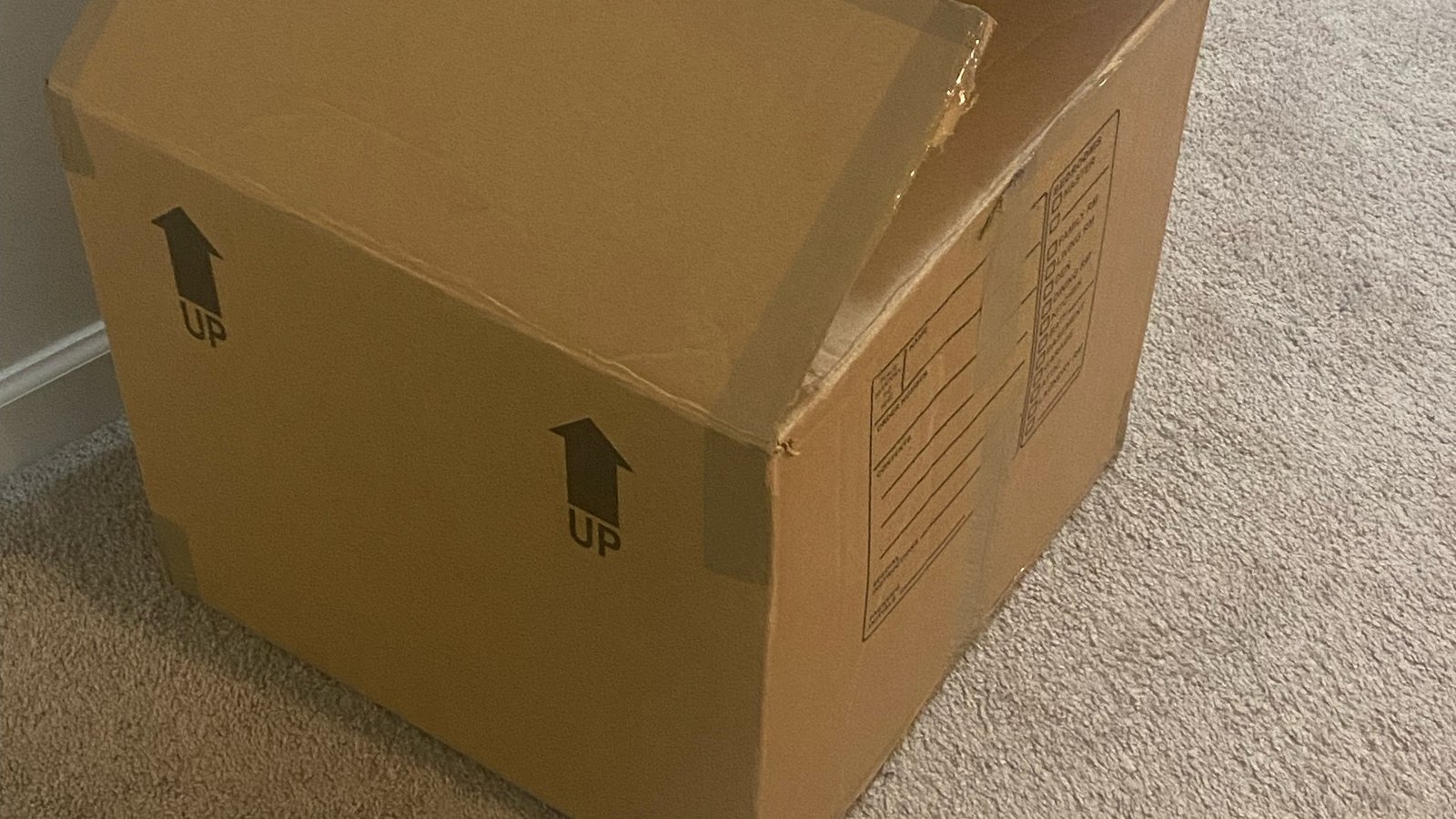
Any cardboard-box without a label is just a mystery you will open six times, so write on it before you seal it. Use a thick Sharpie and oversized letters on the side, not the container-lid, because lids get swapped and sides stay visible on a storage-shelf. Write what is inside, the clinic-room it came from, and the date, such as “Waiting-room, spare-bulbs, Nov 2026”. Keep a matching note in Google Keep if you like lists on your mobile-phone, and stack labelled-boxes with the writing facing out. Future you will thank present you.
8. Keep a maybe cardboard-box for hard calls
Some belongings are hard to bin immediately, and a maybe-box stops you freezing over a spare electric-kettle or an ageing fan. Put uncertain possessions in one sturdy cardboard-box, write the date on the side, and store it out of sight for thirty days. If nobody requests anything, and you have not opened it once, tape it shut and pass it onward or discard it. If you need something, remove only that item. This method works because it gives you thinking time without letting clutter return to the storage-shelves. Patience beats perfection here.

9. Sort paperwork by year, not by type
Paper piles grow because every sheet feels important, so sort by year first and let the dates do the hard work. Make one pile for this year, one for last year, and one for anything older, then deal with the oldest pile first. Shred or recycle old leaflets, expired notices, and duplicate forms, and keep only signed patient-records, current policies, and active patient-information in clearly marked document-folders. Store document-folders upright, newest year at the front, and write the year on the spine in thick black ballpoint-pen.
10. Set expired supplies aside safely
Expired medicated-creams, cleaning-sprays, and medicines need careful handling, so do not just throw them into a rubbish-sack with everything else. Put expired possessions in a separate sturdy cardboard-box, close the container-lid, and label it clearly so nobody grabs something by mistake. Ask your local pharmacist what to do with them, and keep the cardboard-box on a high storage-shelf away from small-children until you can hand it over. Check dates carefully, because a five-year-old ointment-tube is a risk, not a bargain. Clearing expired possessions properly leaves storage-shelves safer and your mind much quieter.
11. Use large IKEA bags for bulky stuff
Big blue IKEA bags are perfect for clinic clutter because they hold a lot, stay upright, and cost very little. Fill one with old window-curtains, spare-cushions, worn woollen-blankets, and soft toys from the waiting-room, then carry it straight to the family-car or the donation point. Use another bag for electrical-cables, phone-chargers, and spare-parts, and tie a luggage tag to the handles so you know what is inside. These bags fold flat when empty, so keep two folded behind a clinic-door for the next round. Donated belongings help another clinic-room and reduce waste.
12. Photograph before you throw belongings away
Take a quick photograph before you bin something that feels hard to part with, because the memory is often what you want to keep. I use easy old clinic decluttering tips for no equipment in a simple way here, snapping the old noticeboard, the cracked wall-clock, and the faded wall-poster before they go. Save the photographs in a folder on your mobile-phone called “Old clinic”, and you can look back without keeping the object. Staff appreciate this too, since a photograph preserves the memory without filling cupboards with broken belongings.

13. Clear the clinic-staff kitchen and break-room
Staff rooms turn into dumping grounds for coffee-mugs, dead electric-kettles, and food that expired long ago, so start with the refrigerator. Throw out anything without a date or a name, wipe the storage-shelves, and keep only one mug per person plus two spares for clinic-visitors. Clear one storage-cupboard shelf for tea, instant-coffee, and granulated-sugar, and put cleaning-cloths in a small storage-basket under the kitchen-sink. A clean electric-kettle, an uncluttered kitchen-worktop, and an empty rubbish-bin make tea-breaks feel restorative, and clinic-staff will guard that tidy storage-space.
14. Deal with old magazines and leaflets
Magazines date a clinic faster than dusty paint, so be ruthless with the pile beside the waiting-chairs. Keep five current magazines or leaflets at most, and recycle the rest, including anything with a date more than a year old. Check health leaflets for current advice, and bin any with torn pages, coffee stains, or out-of-date telephone numbers. Put the survivors in a neat magazine-stack or a magazine-holder, with the newest on top, and add a small notice-sign asking clinic-visitors to leave them in the clinic-room. A small, fresh pile looks cared for.
15. Set a kitchen-timer for fifteen minutes
A kitchen-timer stops decluttering from turning into a whole lost working-day, and fifteen minutes is short enough to start without dread. Pick one storage-shelf, one medical-trolley, or one clinic-room-corner, set the kitchen-timer on your mobile-phone, and work quickly until it rings. When it rings, stop, tie up the rubbish-sack, and put the cardboard-box where it belongs, even if the decluttering-job is not perfect. Two timed rounds each working-day add up to an uncluttered clinic-room by the end of the working-week. Short bursts beat long, tired sessions. Consistency matters more than speed.
16. Do a final sweep of the hallway
Finish with the hallway because it connects every clinic-room and shows off your work. Walk slowly from one end to the other with a rubbish-sack, picking up loose paper, broken coat-hooks, and anything leaning against the wall for no good reason. Wipe light-switches and door-handles, straighten noticeboards, and move any spare cardboard-boxes into one labelled storage-cupboard. Leave one clear coat-hook for coats and one small storage-shelf for incoming-post, then step back and look down the entrance-hall. An uncluttered hallway makes the whole clinic feel lighter, cleaner, and ready for the next working-day.
FAQs
What are the easiest decluttering tips for an old clinic with no equipment?
Start small, work one drawer or storage-shelf at a time, and use three sacks for rubbish, recycling, and pass-on possessions. Clear the entrance first for a quick win, label every cardboard-box with a Sharpie, and set a fifteen-minute kitchen-timer so you stop before you get tired. Small, steady rounds beat one long, exhausting working-day.
How long does it take to declutter a small old clinic?
A small clinic can take three to five short sessions spread over a working-week, depending on how much has built up. Work in fifteen-minute rounds, finish one clinic-room before starting another, and keep sacks tied and out of the way. If you rush, clutter just moves from one clinic-room to another.
What should I do with old clinic furniture and supplies?
Keep only furniture that is safe, stable, and used every working-week, and pass on clean, working spares to another clinic or charity. Put broken possessions out for collection, recycle paper and cardboard, and set expired supplies aside in a labelled cardboard-box for your pharmacist to advise on. Do not keep spares just in case.
Can I declutter a clinic without buying storage boxes?
Yes, you can use sturdy rubbish-sacks, large IKEA bags, cardboard-boxes from deliveries, and jam jars for small possessions. Label everything with a Sharpie and masking tape, keep heavy possessions low, and store rarely used belongings up high. Simple containers work well when every cardboard-box has a clear label and a clear home.
How do I stop clutter coming back after a clear-out?
Give every item a home, label the storage-shelves, and do a five-minute tidy at the end of each working-day. Keep one in, one out as a simple household-rule for new supplies, and check the maybe cardboard-box after thirty days. When clinic-staff know where belongings live, they are far less likely to leave them on any flat surface.
Conclusion
A clear clinic starts with one rubbish-sack, one drawer, and one honest decision at a time, and it stays clear when everything has a label and a home. Keep your rounds short, your sacks tied, and your storage-shelves honest, and the building will feel lighter every single working-day. Start with one drawer today.