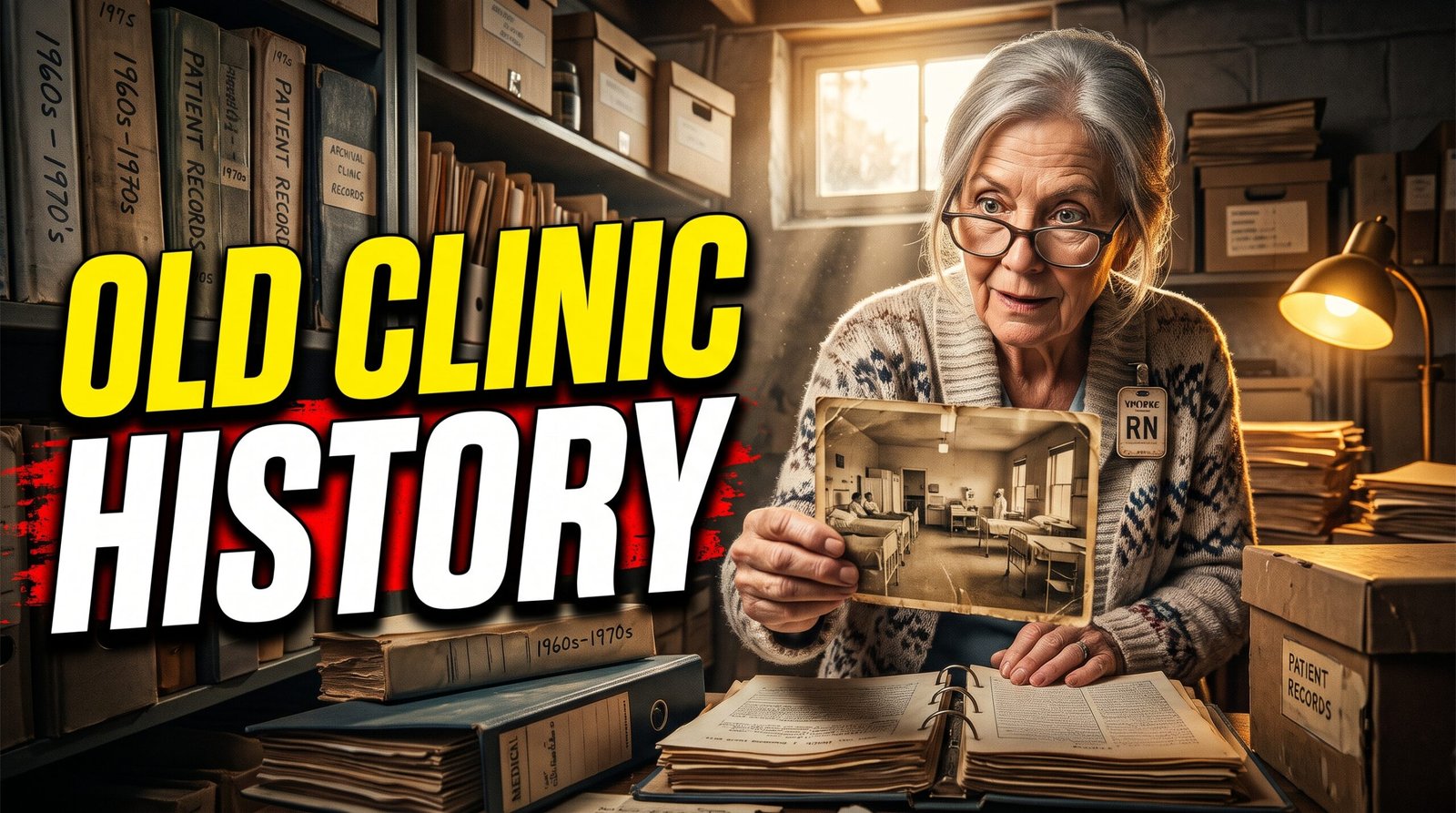
The best old clinic history research guide for retired nurses starts with the stories you carry, not with a dusty archive box. I wasted my first month chasing records I did not need, because nobody told me to write down names, dates, and ward routines while they were fresh. You know more than you think. A notebook and an afternoon will take you further than any database on day one.
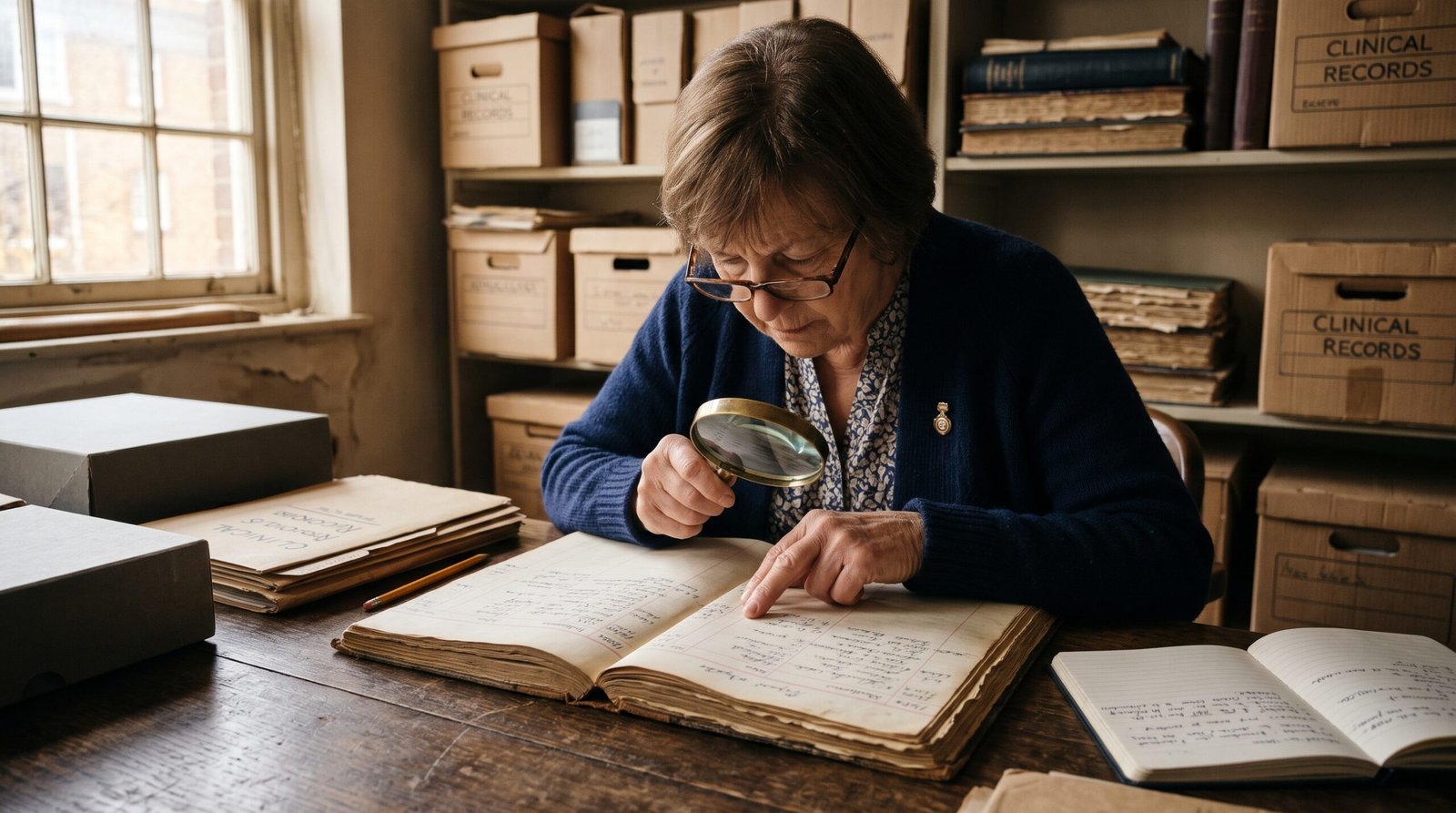
Use the Best Old Clinic History Research Guide for Retired Nurses as Your Starting Map
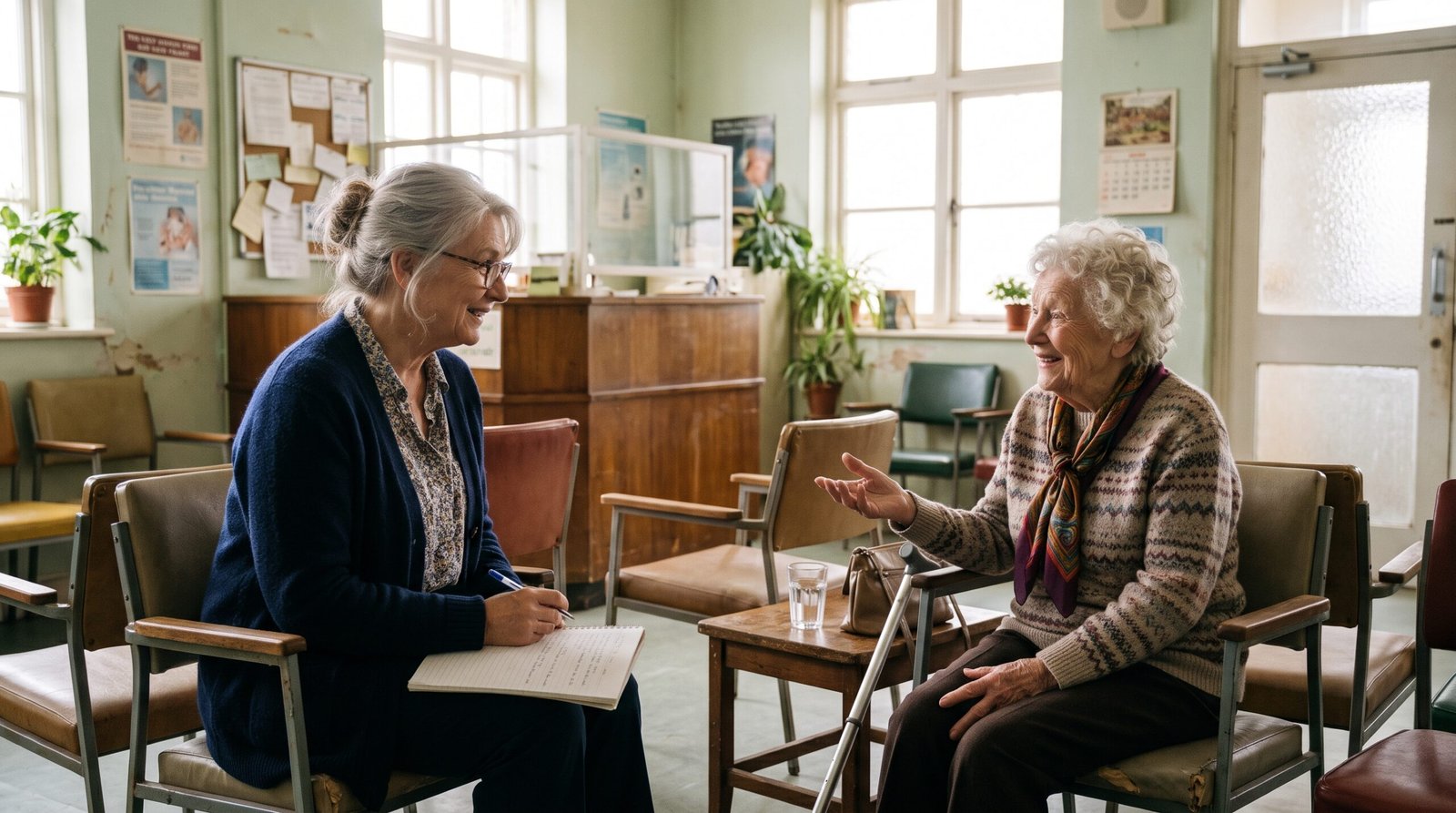
Start by writing down everything you remember before you open a single website. Put the clinic name, street, town, and years you worked there at the top of a page, then add the wards, the matron, the doctors, the cleaners, the porters, and the regular patients whose faces still come back to you. Memory fades in odd ways, and the small details go first, so capture the smell of the sluice room, the sound of the drug trolley, and the way handover worked at night. Oral history gives this kind of project its spine, because dates alone never explain how a place actually felt to work in. Keep a separate list for facts you are unsure about, and mark them clearly, so you do not later present a guess as a certainty. A common mistake is trying to make the timeline perfect before you have any stories, and that stalls most people for months. Work in short bursts of twenty minutes, stop when you feel tired, and return the next day with fresh eyes. Keep the notebook by your bed, because names often surface at three in the morning when the house is quiet.
Build a Simple Timeline You Can Trust
Your timeline is the backbone of the whole project, and it does not need fancy software to work well. Open a spreadsheet in Google Sheets or Excel, make one row per year, and fill in what you know for certain, such as opening dates, new wings, staff changes, and major local events. Leave blank rows for the years you cannot place yet, because those gaps show you exactly where to look next. Check old pay slips, pension letters, training certificates, and Christmas cards, since each one can pin down a date you thought you had lost. A useful tip is to add a column for your source, so you can see at a glance whether a date came from your memory, a document, or a colleague. That habit saves hours of arguing with yourself later, and it keeps the final story honest. When two sources disagree, write both versions down and note which one feels stronger, rather than picking the neater one. Add colour codes for confirmed facts, strong leads, and pure guesses, so a quick glance shows where your research still needs work.
Gather Your Own Papers, Photos, and Uniforms First
Old clinic papers hide in drawers, lofts, and photo albums, and they are often more useful than anything held in a formal archive. Look for staff rotas, ward diaries, newsletters, menus, fundraising leaflets, and the little cards patients sent at Christmas, because each one holds names and dates in context. Photograph every item with your phone before you handle it much, and store the images in a folder named by year, not by a vague label like old stuff. A flatbed scanner gives cleaner results for fragile paper, while a phone camera works fine for bulky objects like a uniform badge or a medicine bottle. Write the names of people in each photo on the back of a copy, or in the file name, while someone who remembers them can still help. The mistake most people make is sorting everything before they have copied it, and then losing the original order that told its own story. Store the originals in acid-free folders once you have copied them, and keep that set away from damp rooms and direct sunlight. Label each folder with the year and the ward name.
Search Local Archives With a Clear Ask
Local archives hold far more than most retired nurses expect, but you need to arrive with a clear request or staff cannot help you well. Search the catalogue online first, using the clinic name, the street, the town, and the name of the health authority that ran it, and write down the reference numbers for anything that looks promising. Email the archivist with two or three specific questions, such as whether they hold admission registers, staff records, or building plans for your years, and ask about opening hours and copying rules. Many county record offices also hold local newspapers on microfilm, and those papers often covered clinic openings, retirements, and fundraising fairs in surprising detail. Bring a pencil, not a pen, because most reading rooms ban ink near old documents. One visit with a short list beats five vague visits, and the staff will remember you as the person who knew what she wanted. Ask whether they hold photographs, oral history recordings, or school log books that mention clinic staff and their families. Take a photo of the catalogue entry for your own notes.
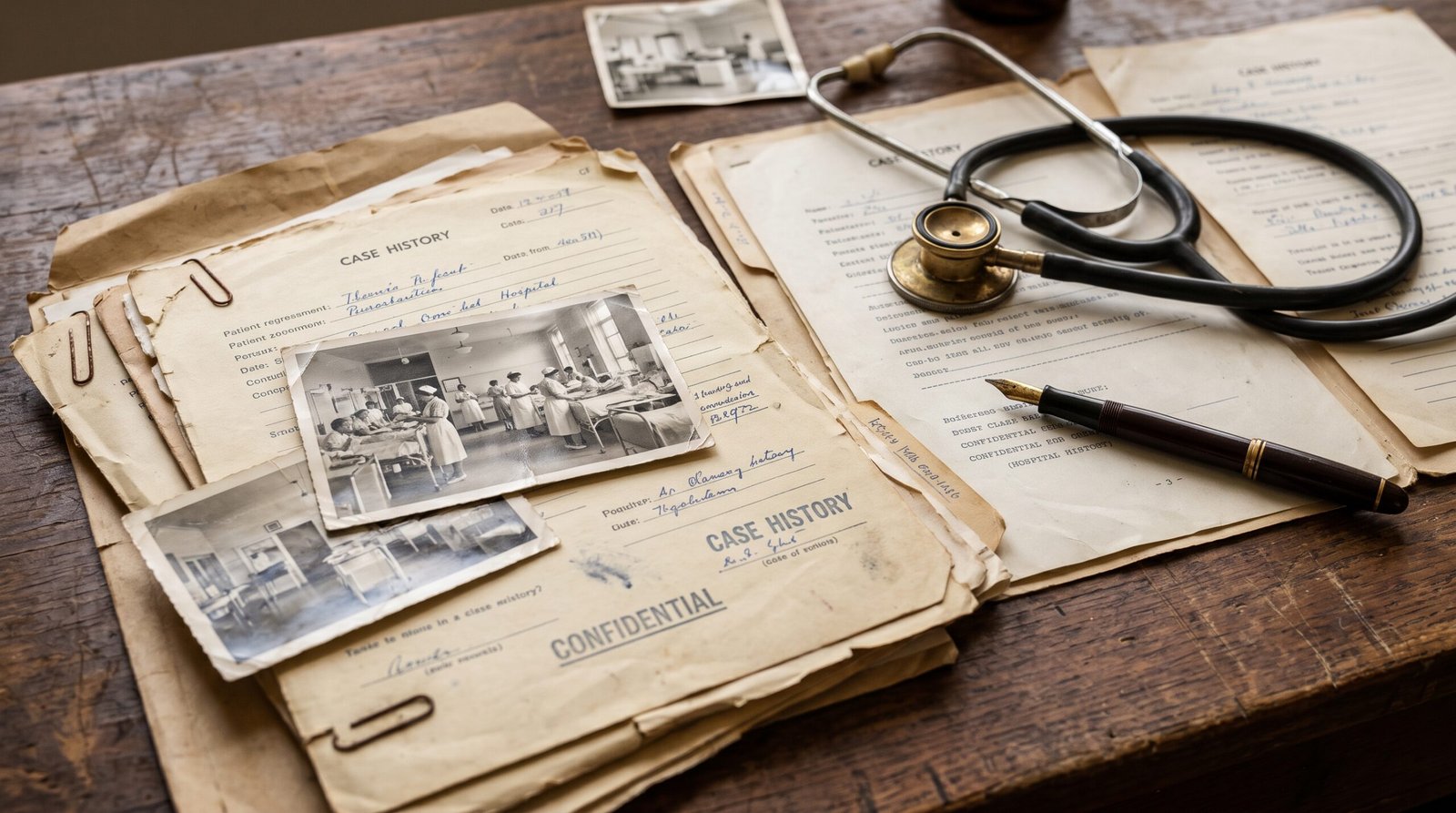
Talk to Former Colleagues While You Still Can
Colleagues remember the parts you forgot, and they often hold the photos and papers you need, so start these conversations early. Make a list of ten people you worked with, then contact them by phone or letter rather than a group message, because a private call gets a warmer and fuller reply. Ask about one ward, one year, or one funny incident at a time, instead of asking for their whole career in a single sitting. Record the call with permission on your phone, or take notes straight after, while the details are still warm in your mind. I kept returning to the best old clinic history research guide for retired nurses in my head as a simple rule, which was to listen first and check facts later. People mix up dates after forty years, and that is normal, so thank them for the story and sort the dates afterwards. Send a short thank you note, and ask if they know anyone else worth speaking to, because one name often leads to three more. That simple habit is why the best old clinic history research guide for retired nurses works in real life, not just on paper.
Use Online Tools Without Getting Lost in Them
Online research can eat a whole afternoon if you let it, so set a timer and a single question before you start. FamilySearch offers free census records, parish registers, and local directories that can place a clinic and its staff in a wider setting. Ancestry has strong collections of trade directories, electoral rolls, and newspapers, and many public libraries offer free home access with a library card. Google Books can turn up old nursing textbooks, local histories, and hospital reports that mention your clinic by name, often in full text. Save useful pages to Evernote or a simple Trello board, with a note saying why each one matters, because a saved link without a note is useless a month later. Check the date and the publisher of every source, and be wary of family trees copied from other people without any evidence attached. A good rule is to stop after three useful finds and write them into your timeline straight away. Set a simple spreadsheet to log each website, the date you visited it, and what you found there.
Read Old Newspapers and Local History Books
Local newspapers are a goldmine for clinic history, because they recorded the ordinary life that official files left out. Search the British Newspaper Archive or your library newspaper database for the clinic name, the matron name, and the street, and try spelling variants, because old print and handwriting often get misread. Look for reports of open days, staff retirements, new equipment, charity concerts, and accidents, and note the exact date and page number for every cutting. Local history books, often written by volunteers and sold in the town museum, can place your clinic beside the railway, the factory, or the housing estate that supplied its patients. Read the footnotes and the bibliography, since those lists point you to sources you would never find by chance. Copy short extracts by hand into your notes, with the source beside them, and keep the original cutting safe in an acid-free sleeve. This slow reading takes time, but it gives your story texture no register ever could. Ask the museum shop or the local history society whether they sell pamphlets, walking guides, or back issues that cover your clinic.
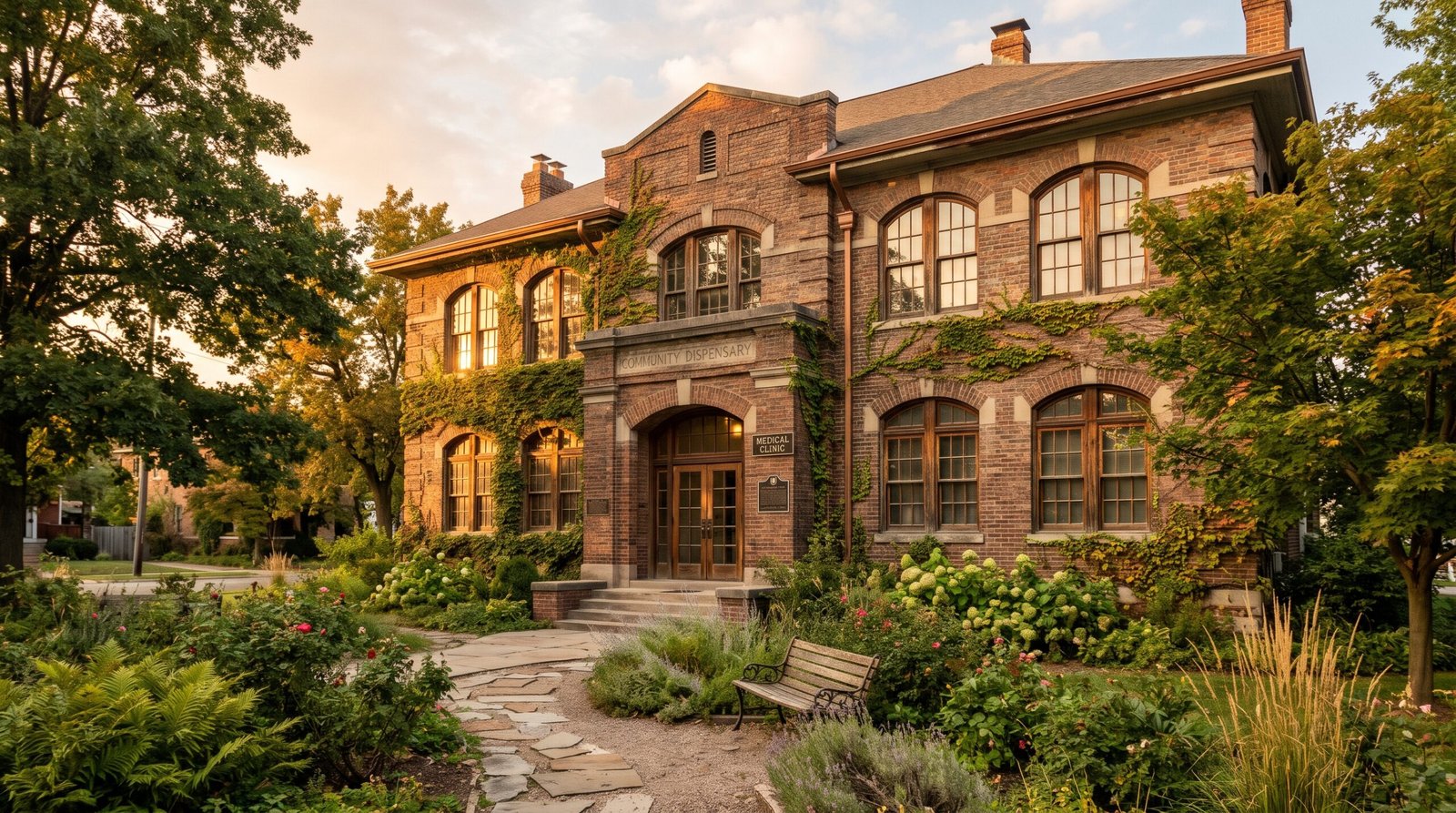
Check Buildings, Maps, and Planning Records
A clinic is a building first, and its walls can tell you when it grew, shrank, or changed hands. Look at old Ordnance Survey maps, many of which are free online through the National Library of Scotland map site, and compare the footprint of the clinic across different decades. Planning records at the local council can show extensions, new wards, car parks, and changes of use, and the application files often include drawings and letters from local residents. Walk the street if you can, take current photos from the same angle as old ones, and note what has gone, such as a gate lodge, a garden, or a nurses home. Estate agents and auction listings sometimes include old floor plans and photos, and those can fill gaps in the official record. Keep a simple folder for maps and plans, labelled by year, and write one sentence under each image explaining what changed. The building story often explains why a ward closed or why staff numbers rose, and readers love that kind of concrete detail. Note the names of neighbouring shops, pubs, and schools on each map, because those landmarks help you place the clinic in daily life.
Sort, Check, and Write the Story in Small Pieces
Writing feels easier when you stop trying to write the whole history in one go and start with small, finished pieces. Pick one ward, one year, or one person, and write three hundred words about it, using your timeline and your notes, and stop there for the day. Read each piece aloud, because your ear catches clumsy sentences and repeated words faster than your eye does. Check every date against two sources where you can, and mark any claim you cannot prove with a softer phrase, such as local memory suggests, rather than stating it as fact. Ask a former colleague to read a draft, not for grammar, but for errors in names, roles, and routines, because they will spot mistakes you have read past ten times. Keep your drafts in one place, such as Google Docs, with clear file names and dates, so you never lose the latest version. A short, honest piece finished this week beats a perfect history that never leaves your desk. Celebrate each finished piece with a cup of tea and a short break, because steady progress beats a grand plan that never starts.
FAQs
How long does it take to research an old clinic history?
Most retired nurses need three to six months of steady, part-time work to build a solid draft. Short sessions of two or three hours a week work better than long weekend bursts. You will move faster once your timeline is set and your papers are sorted, so do that groundwork first. A clear filing system helps even more.
What if the clinic closed and its records were destroyed?
Closed clinics often leave traces in other places, even when their own files are gone. Try the local archive, the health authority records, newspapers, planning files, and former staff. Oral history from colleagues can also fill large gaps, and it often holds the human detail that files never kept. A librarian can help with the catalogue.
How do I research an old clinic as a retired nurse with no archive experience?
Start with your own memory, papers, and photos, then contact your local archive with a short list of clear questions. Staff are used to helping first-time researchers, and they will explain catalogues, copying rules, and reading room practice. Take it one visit and one question at a time. Bring a notebook and a pencil to every visit.
Do I need permission to use old photos and staff names?
You need care here, especially with photos of patients and living staff. Ask permission from the people pictured, or their families, before you publish anything. For staff names in a private family history, plain factual use is usually fine, but check local archive rules first. When in doubt, ask first and publish later.
Can I share my finished clinic history online?
Yes, you can share it on a personal blog, a local history site, or a community archive, once you have checked names, dates, and permissions. Add a short note about your sources, and invite corrections from readers. Sharing often brings new photos and stories from people you never met. Readers often reply with corrections and new leads.
Conclusion
Your clinic history matters because you lived it, and nobody else can write it quite the way you can. Start small, keep your notes tidy, and let the story grow one ward at a time, because the best old clinic history research guide for retired nurses is the one you actually finish and share. Your notes, photos, and interviews will outlast the building itself, and that is a gift worth passing on.